Elevated Intralogistics: Optimize Your Warehouse Load Flow
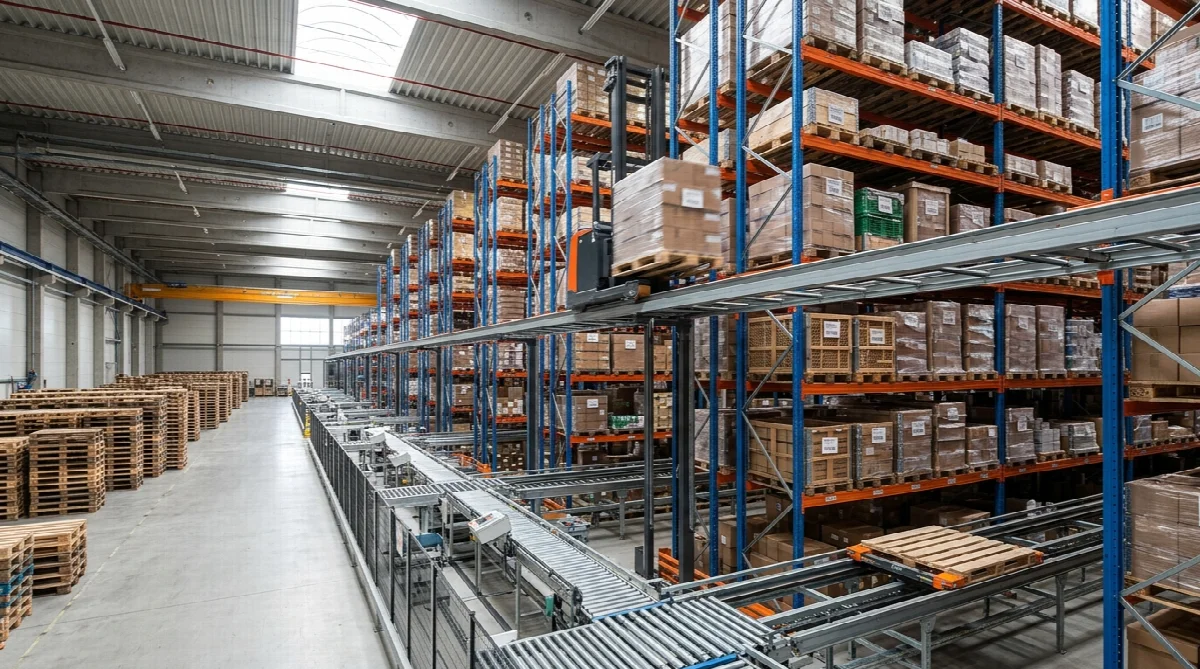
Elevated intralogistics has become the missing piece for achieving efficiency in modern plants. Often, when we think about automation, we focus exclusively on the assembly or manufacturing process, forgetting that material movement is the real bottleneck. Singular Logistics has focused on a key solution: moving loads above work areas, utilizing the warehouse's air space to decongest lower aisles.
What Advantages Does Elevated Intralogistics Bring to Your Warehouse?
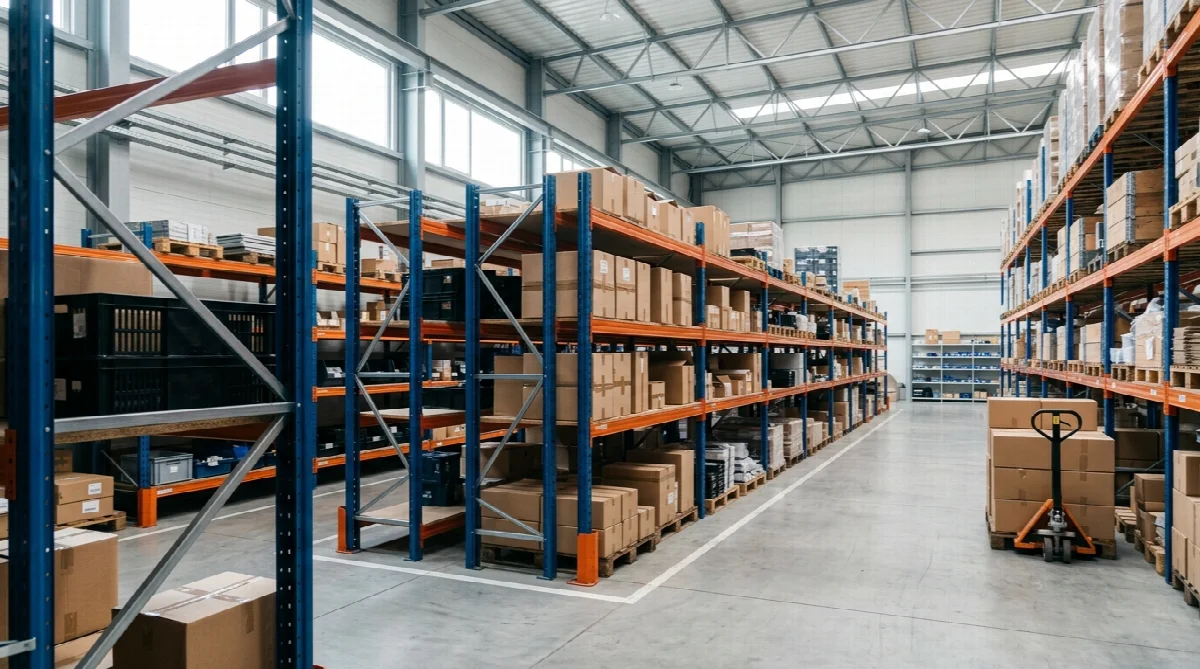
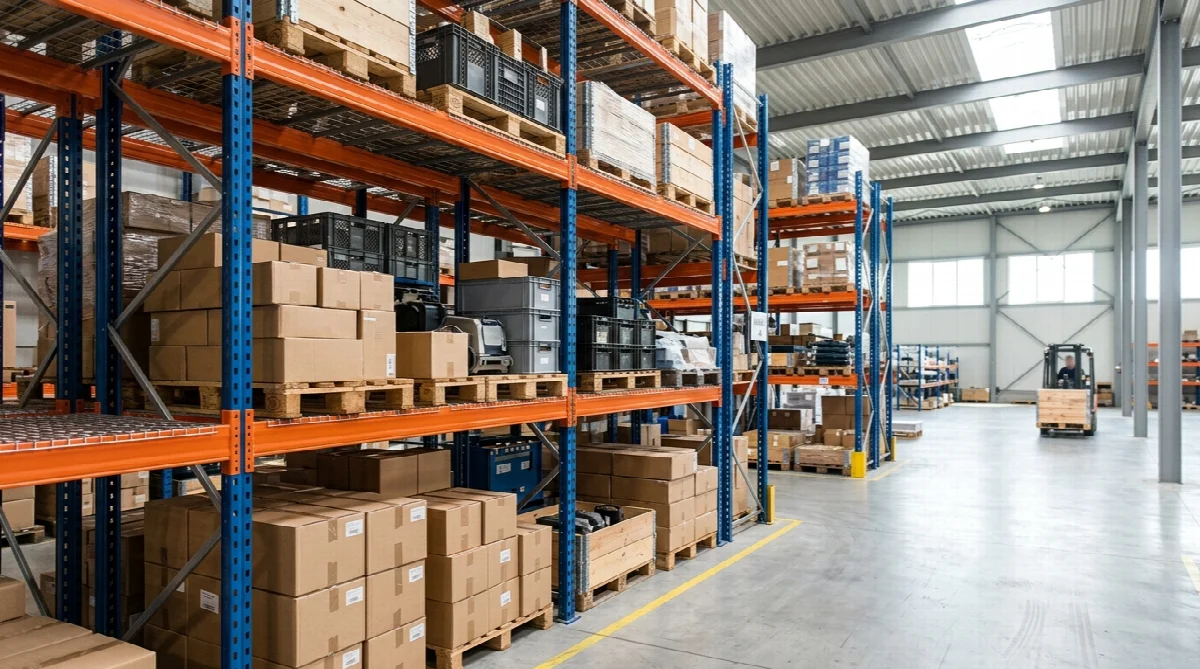
Implementing systems that elevate goods transport is not just a matter of cutting-edge technology; it's a space management strategy. By separating material flow from operator traffic, you drastically reduce the risk of accidents and interferences in daily operations. If you manage an industrial facility, you know that floor space is a scarce and valuable resource. Freeing it up allows for more accessible heavy-duty racking for pallets and heavy loads (manual handling, no forklift) and much smoother movement for personnel.
For those designing or reorganizing their storage space, this trend marks a before and after. It's not just about stacking, but about *connecting*. By integrating elevated systems, you can optimize the layout of your custom industrial metal mezzanines, creating load circuits that do not interfere with picking or order preparation areas.
How Can I Adapt My Warehouse to This New Workflow?
The answer depends on the nature of your merchandise, but the key lies in versatility. Before diving into complex automation, it's essential to ensure that your base structures are prepared to handle changes in load dynamics. Here are some points to consider:
- Safety First: Any system that elevates loads must comply with current regulations on handling equipment. Always consult industry guides and the workplace equipment and occupational risk prevention regulations of each country to understand applicable requirements.
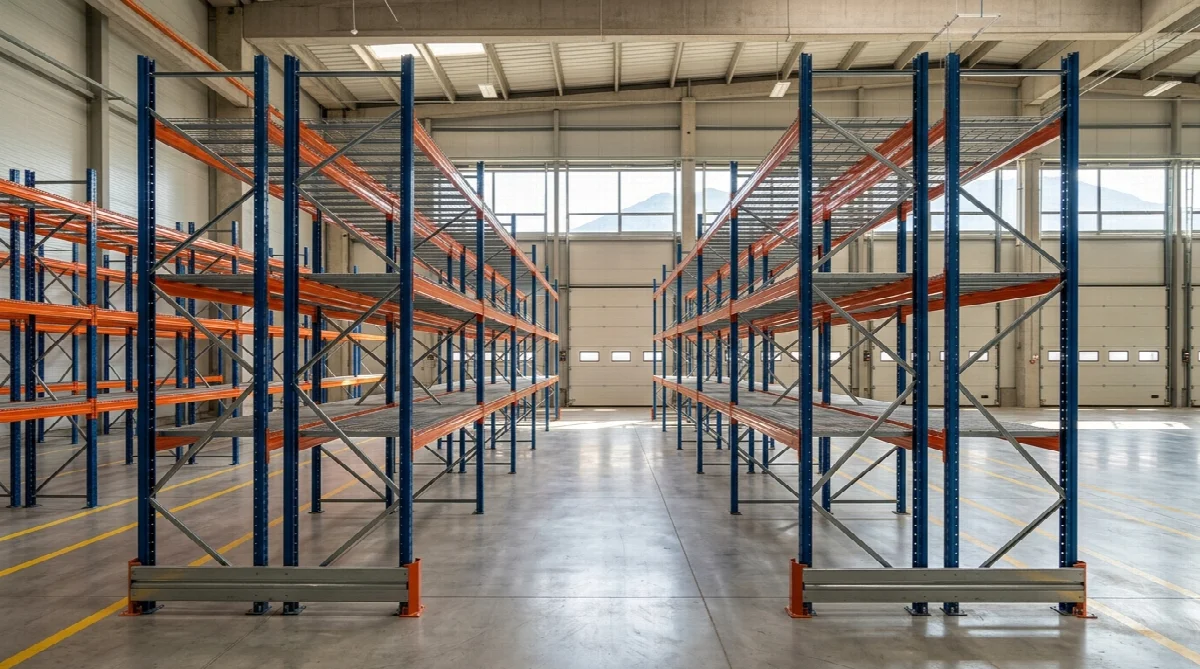
- Structural Flexibility: Ensure your racking systems allow for the integration of accessories. Sometimes, small changes to pallet racking accessories and spare parts facilitate the coexistence between the automated system and manual storage.
- Floor Space Optimization: If load traffic moves overhead, you can dedicate the floor space to safer work areas or the installation of medium-duty metal racking for high-turnover products.
In conclusion, automating load movement at height is a logical evolution. If your warehouse is starting to feel the strain of constant traffic, you may not need more square footage, but rather to *improve the management of your vertical space*. Separating flows is undoubtedly the smartest way to gain capacity without needing to expand your facility's walls.
Source: Cadena de Suministro, leading logistics and transport website