Heavy-Duty Racking: Your Ultimate Warehouse Guide
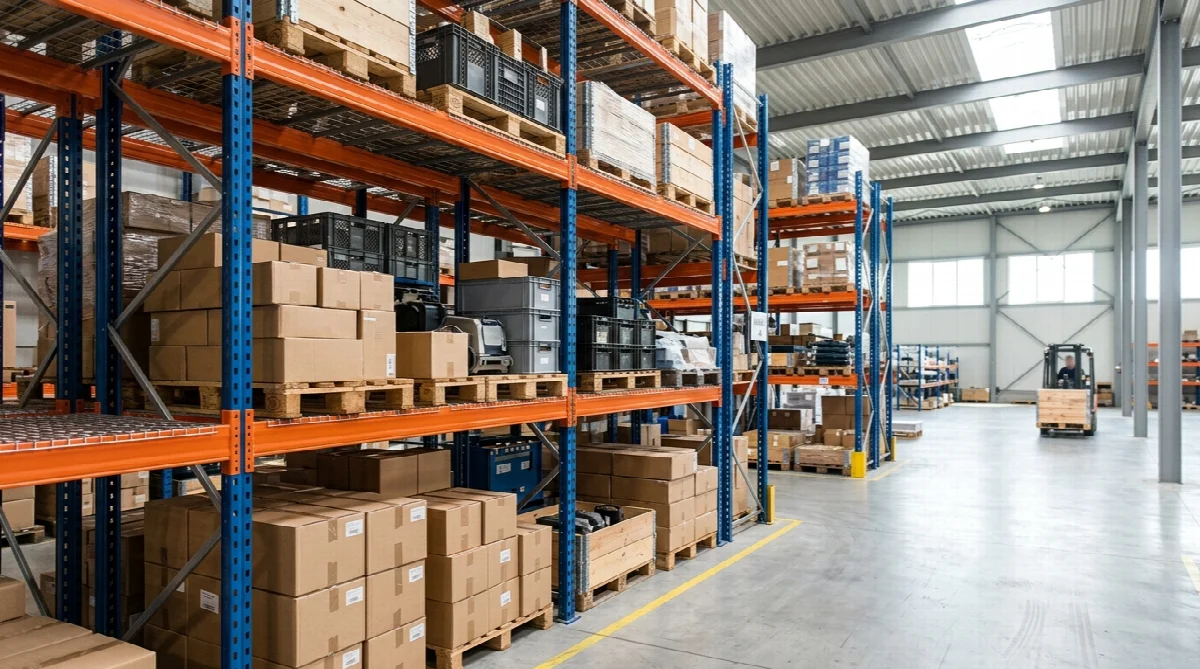
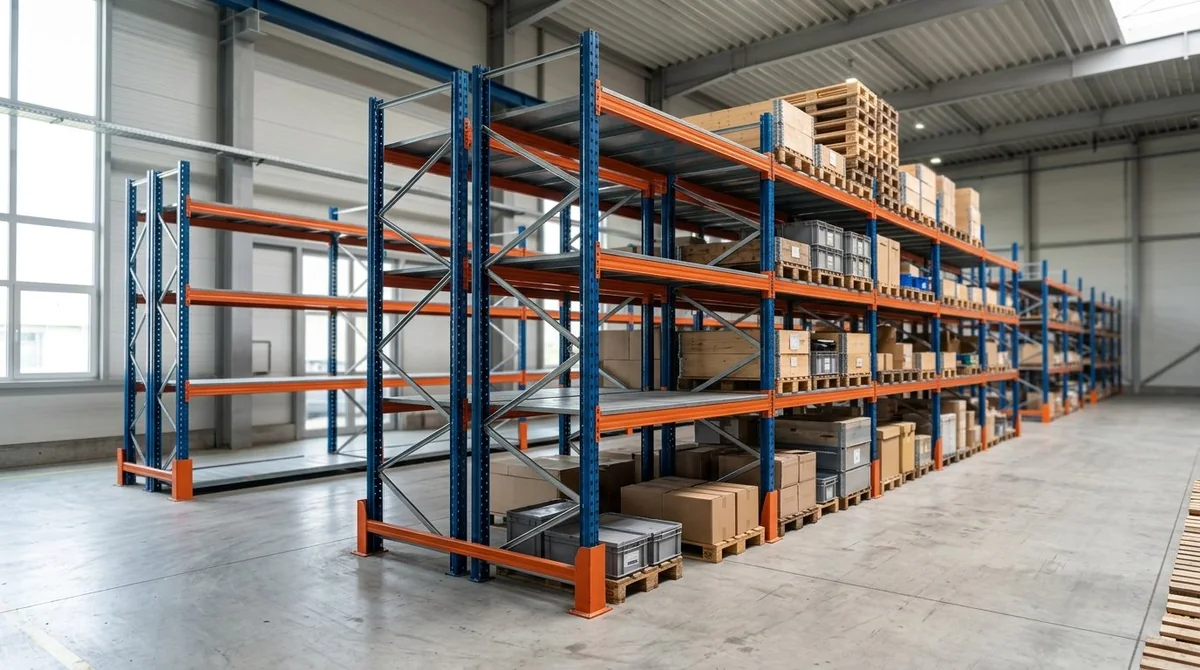
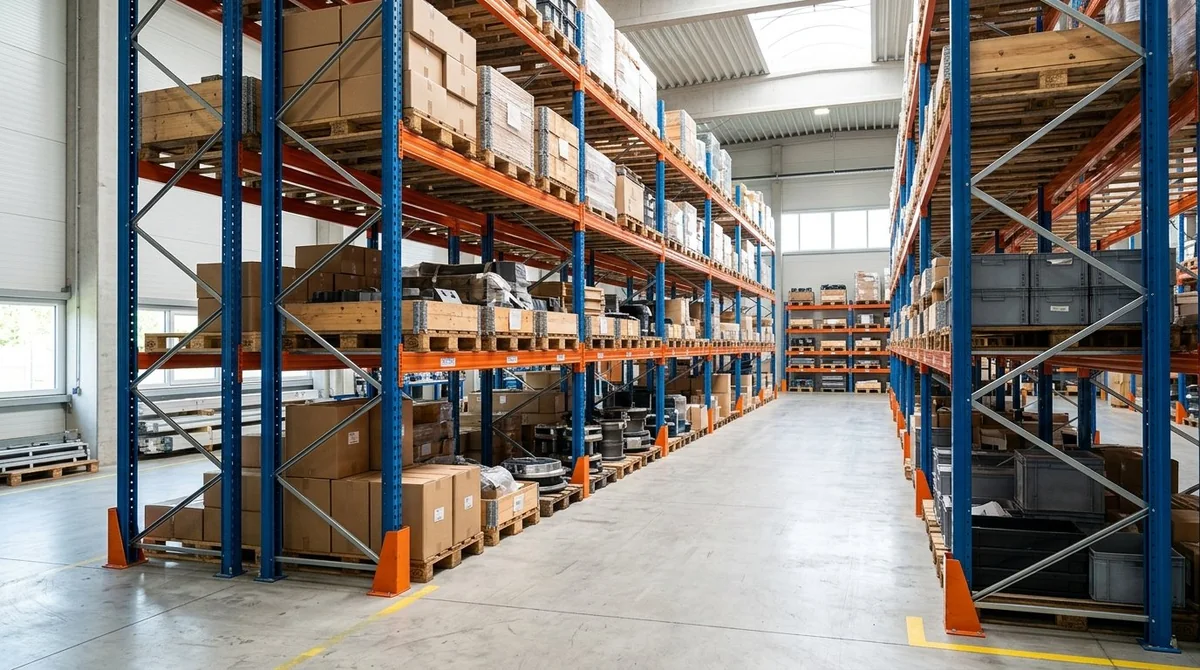
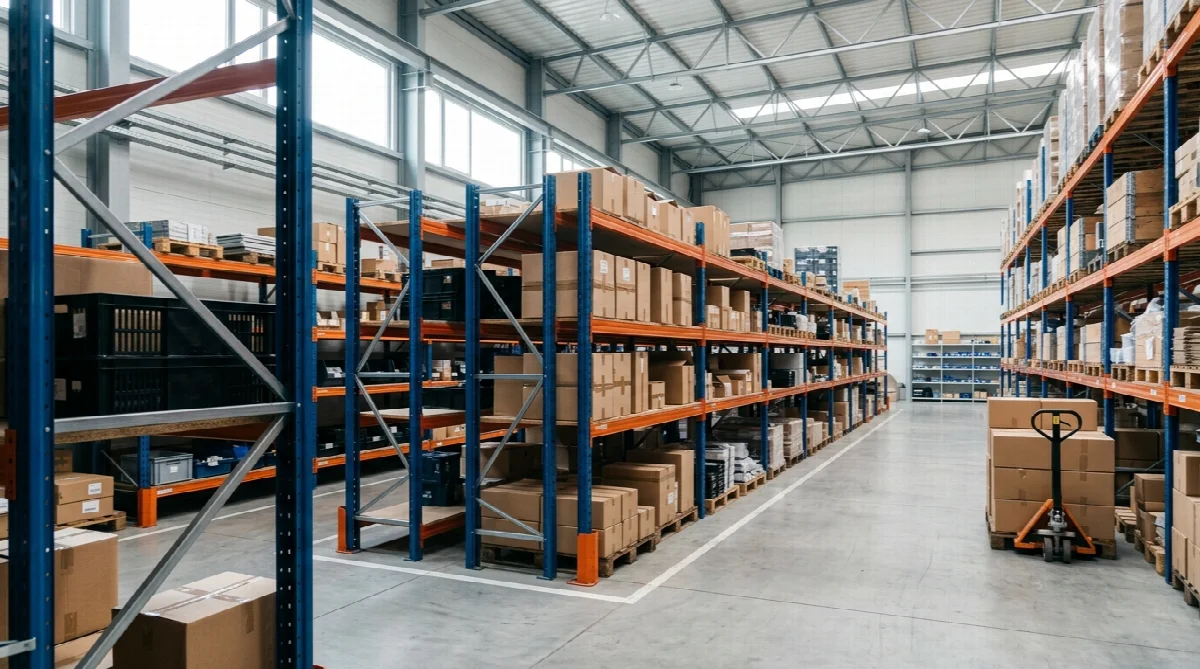
Heavy-duty racking systems are the backbone of any industrial warehouse or logistics center that needs to manage large volumes of goods. When we talk about these types of systems, we're not just referring to their capacity to support tons, but also the engineering required to ensure stability, operator safety, and optimization of the daily workflow.
What Makes Racking Considered Heavy-Duty?
Unlike solutions for homes or retail, structures designed to support significant weight are manufactured from high-strength steel and reinforced profiles. The key lies in their ability to withstand concentrated loads without structural deformation. While light-duty shelving seeks versatility for small items, the industrial sector's goal is extreme robustness.
To ensure a durable installation, it's essential to consider:
- The type of load: are you storing pallets, metal containers, or heavy machinery?
- The access system: will forklifts or pallet jacks be used?
- Load distribution: uniform distribution is vital to avoid exceeding per-level load limits.
If you need a solution that combines strength with the ability to move goods agilely, you can explore our heavy-duty pallet racking, specifically designed for environments where mechanical demands are constant.
How to Ensure Safety in Industrial Warehousing?
Safety is not optional. A large-scale installation requires preventive maintenance and the use of appropriate protective elements. Accidental impacts from forklifts are the primary cause of damage to uprights, making protective guards a necessary investment to extend the lifespan of your equipment. Furthermore, it's advisable to periodically check pallet racking accessories and spares, such as safety pins, which prevent accidental dislodging of beams.
Current regulations require any industrial storage system to comply with quality standards that guarantee structural integrity under intensive use conditions. You can consult technical details and best practice guides on the official portal of the European Agency for Safety and Health at Work.
Space Optimization: When to Install a Mezzanine?
Often, the problem isn't just weight, but a lack of square footage. When your warehouse floor space becomes insufficient, the most efficient solution is to grow upwards. Installing custom-made metal mezzanines can double or triple the usable area, creating additional levels for heavy loads or manual picking zones. This strategy allows for better inventory organization, separating bulk storage areas from order picking zones, where you might need to rely on wheeled service carts and tool carts to speed up material movement between aisles.
Remember that every warehouse is unique. The choice of storage system should stem from logical planning, from material strength to ease of access for high-turnover products. A well-designed structure not only saves space but drastically reduces handling times and improves your business's overall productivity.