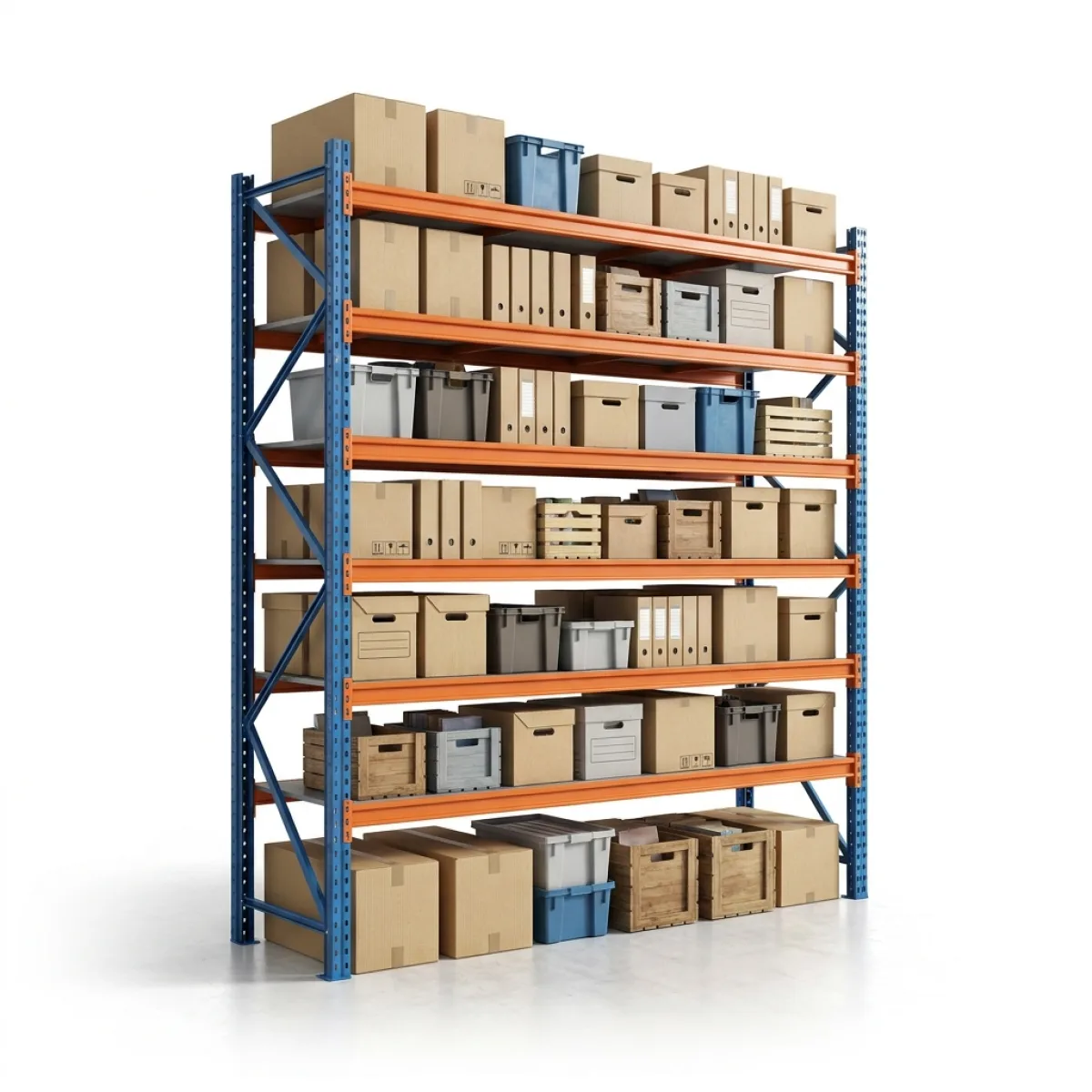
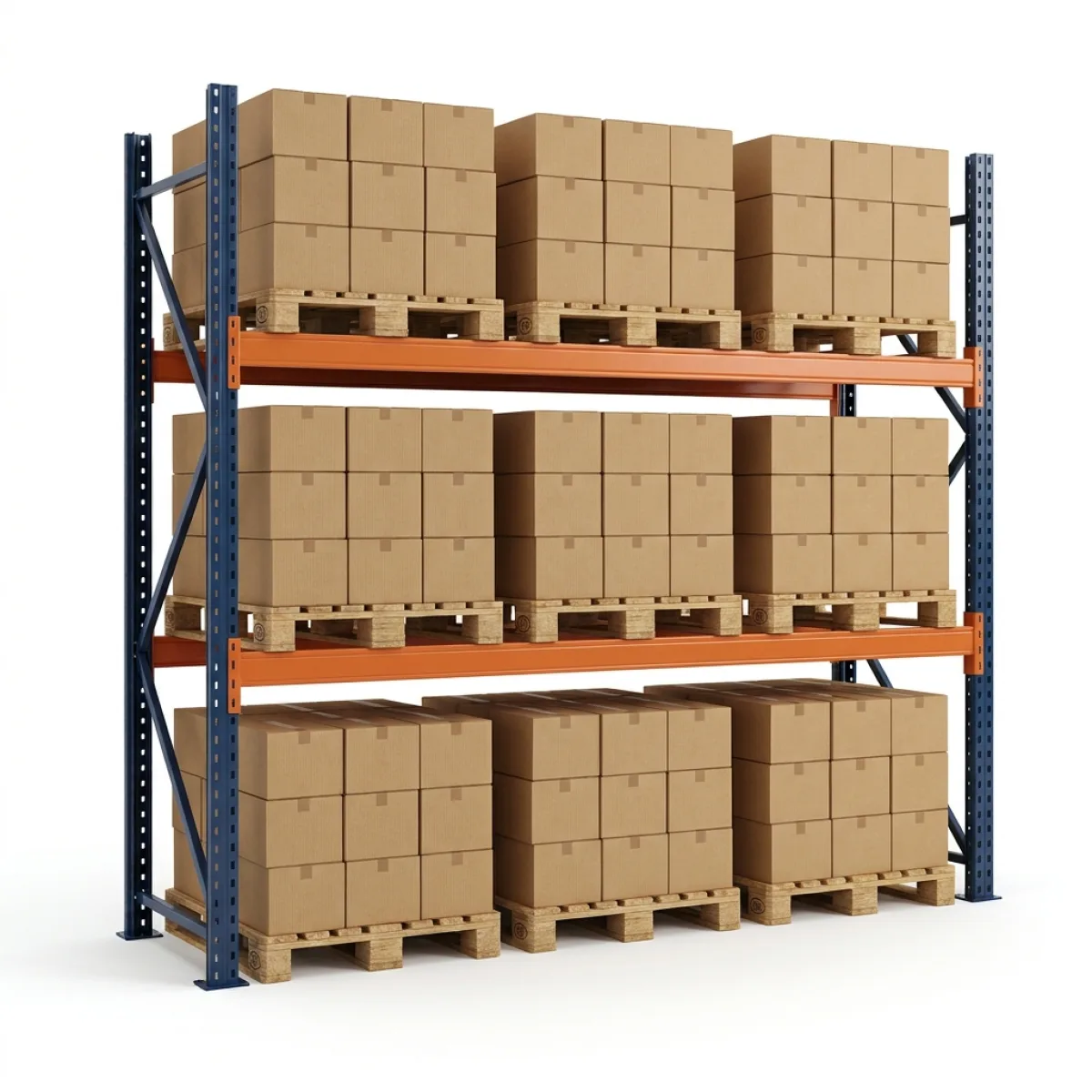
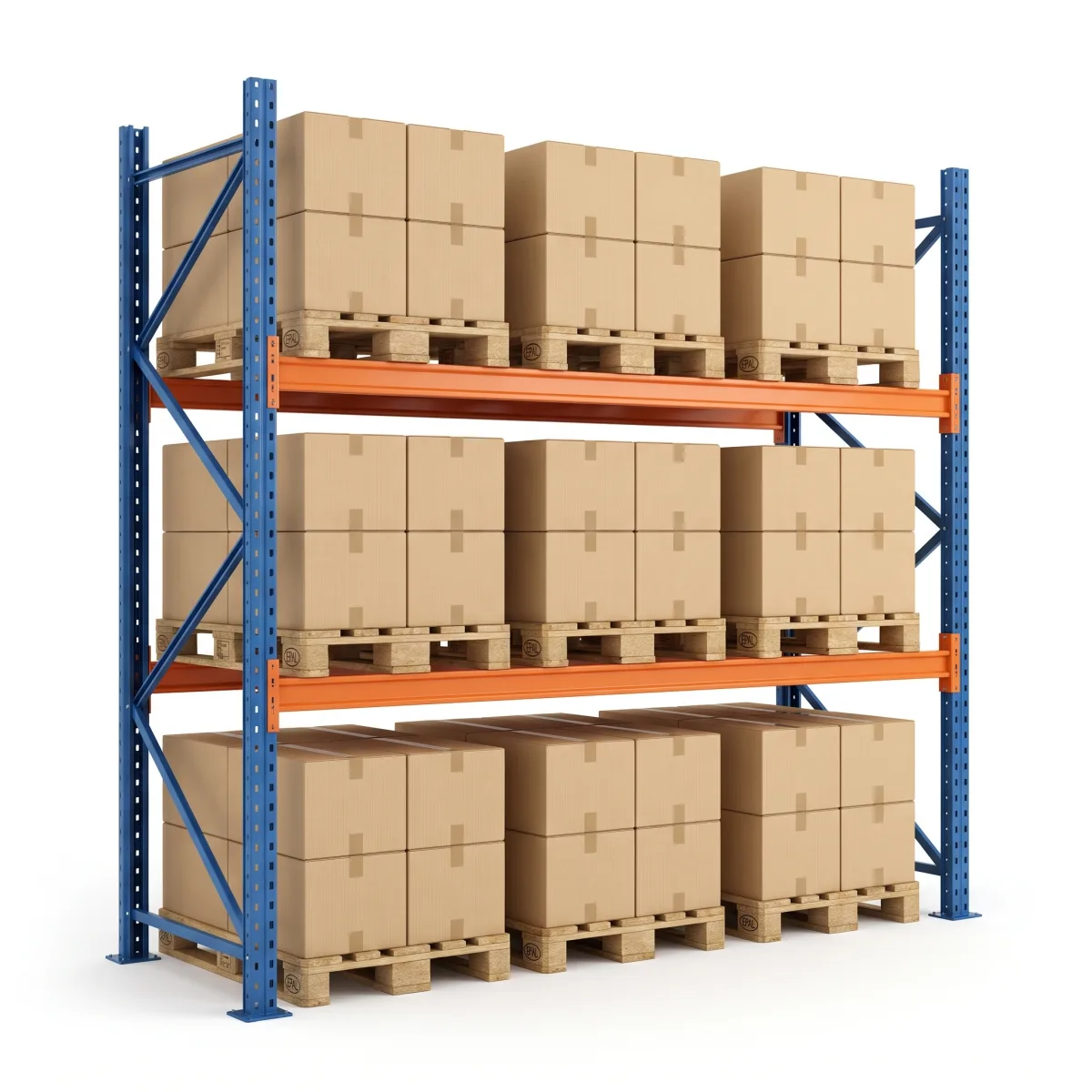
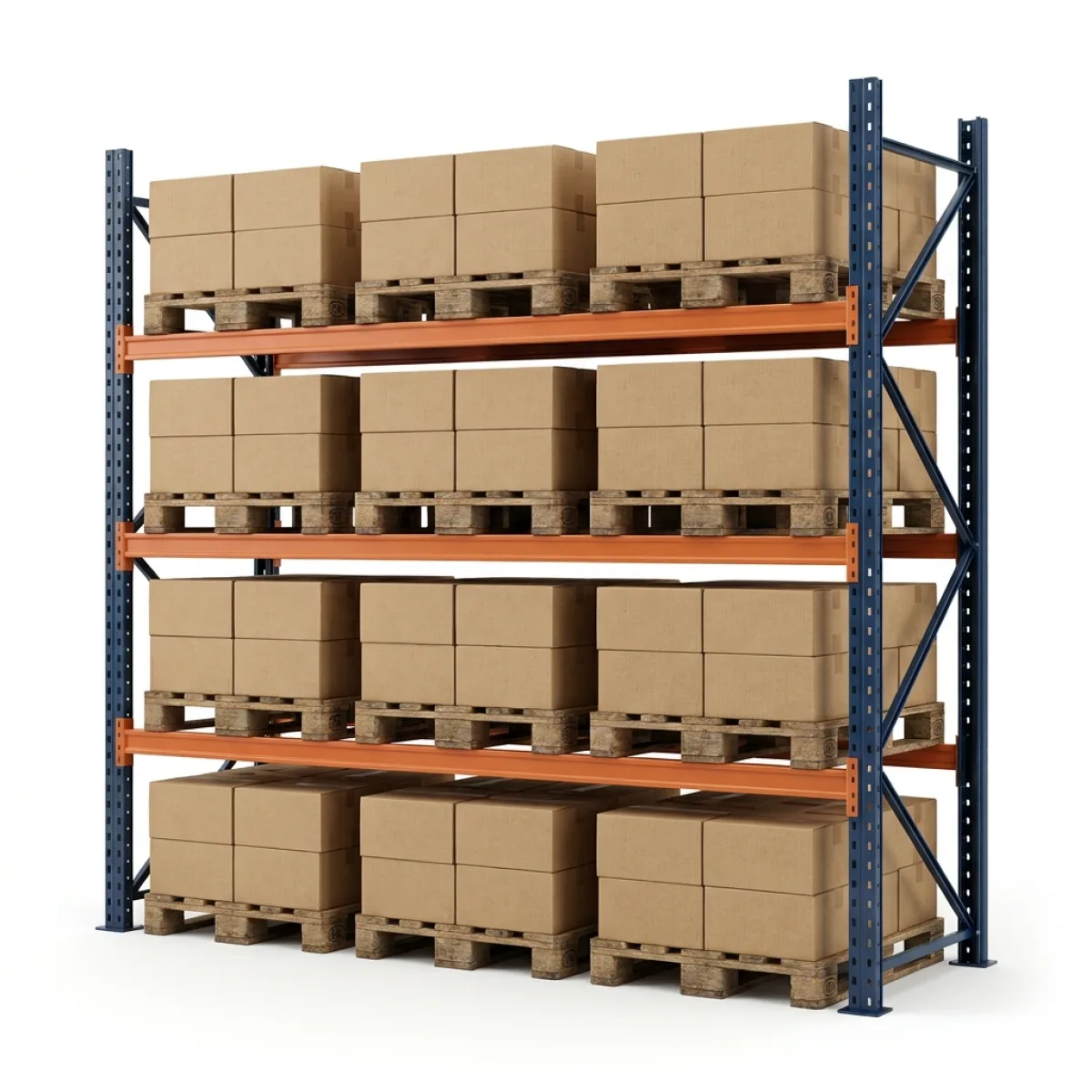
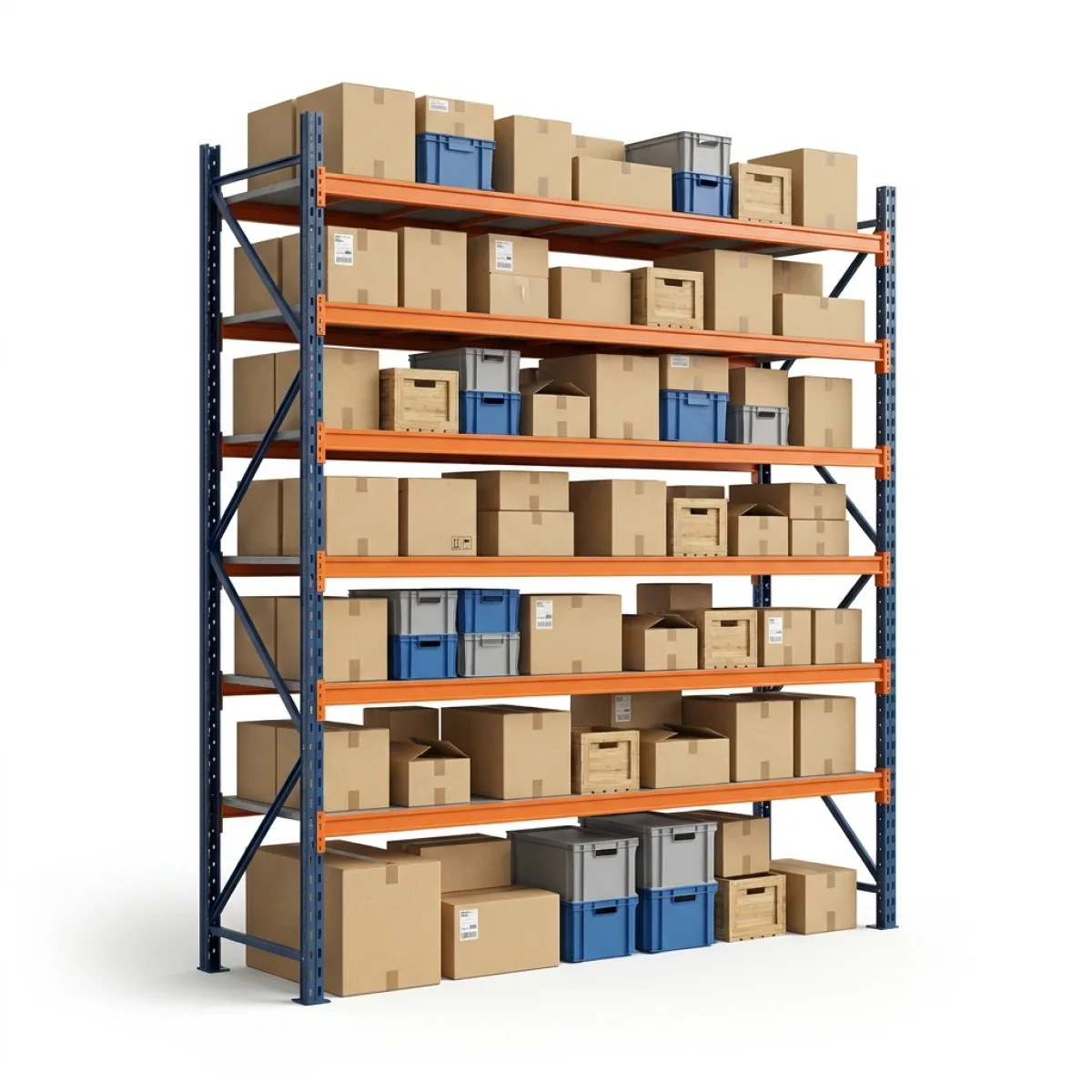
All about Pallet Racking up to 1500 kg per level
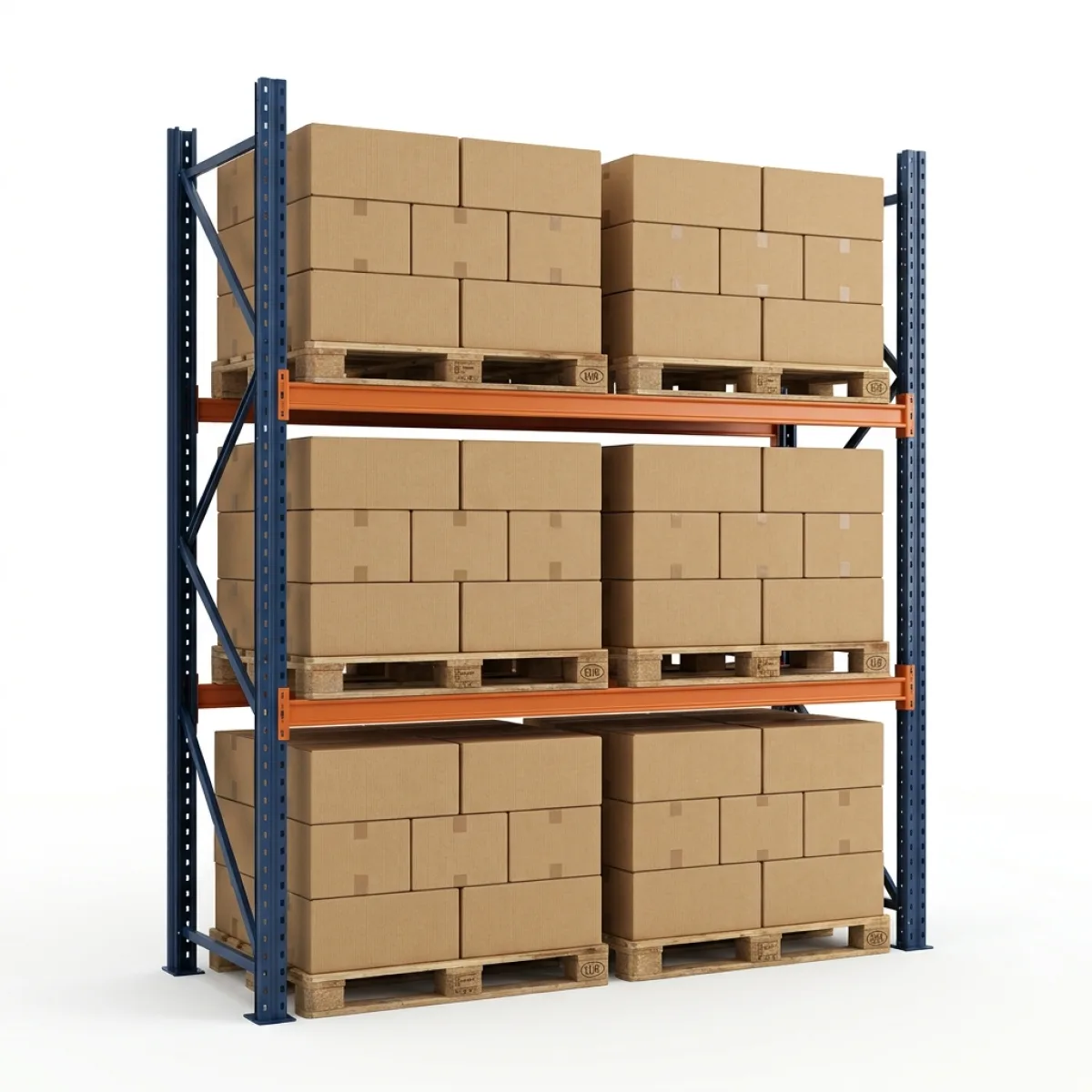
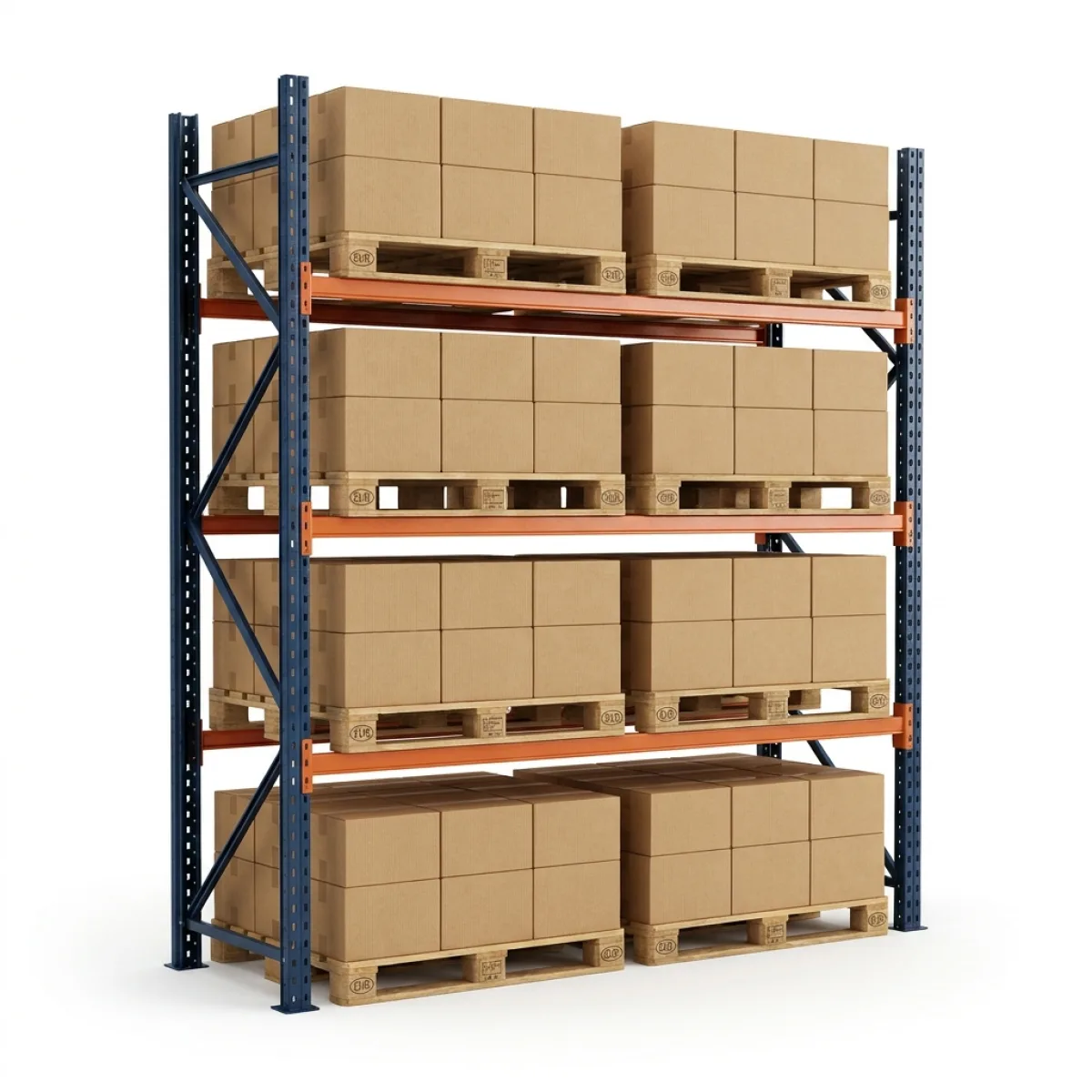
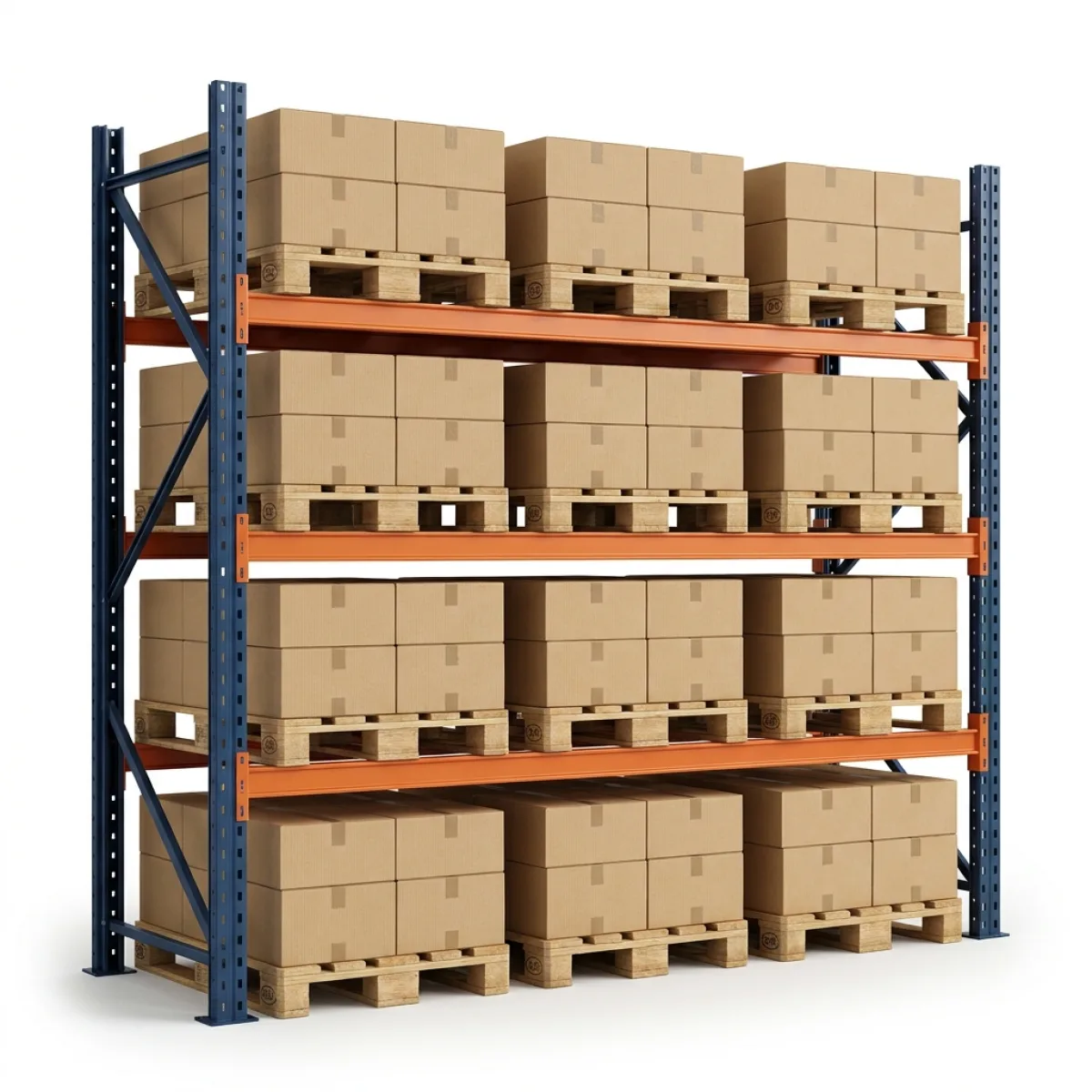
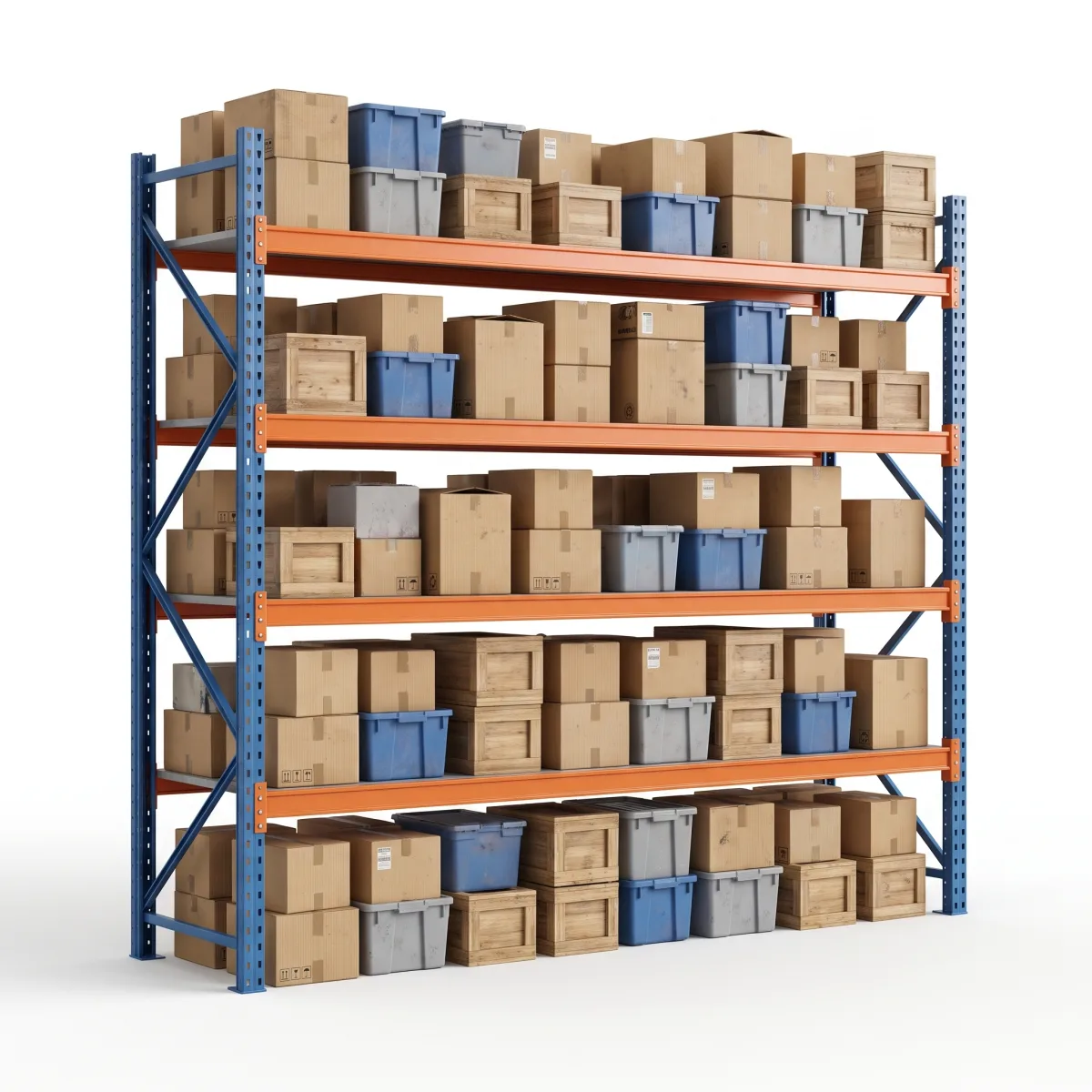
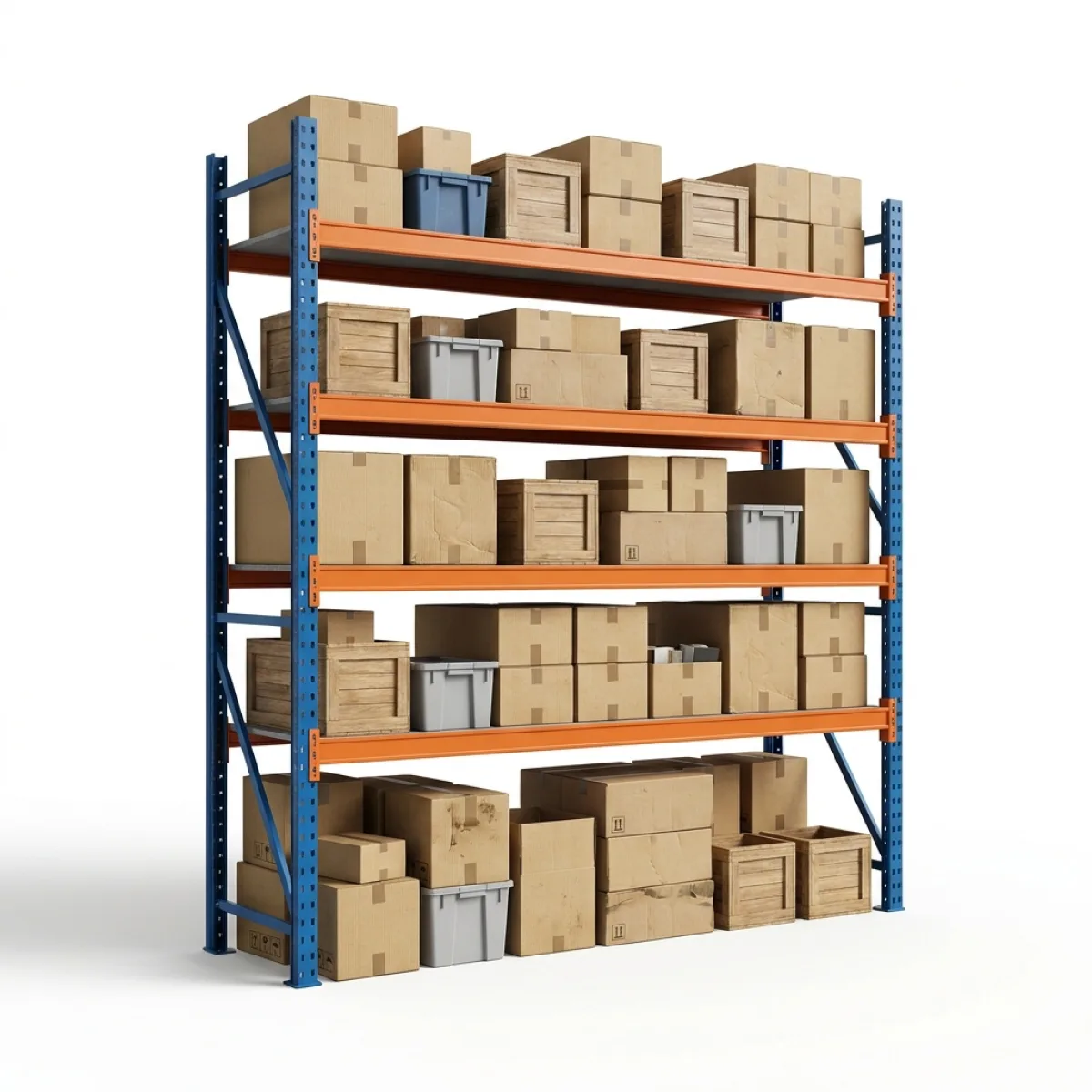
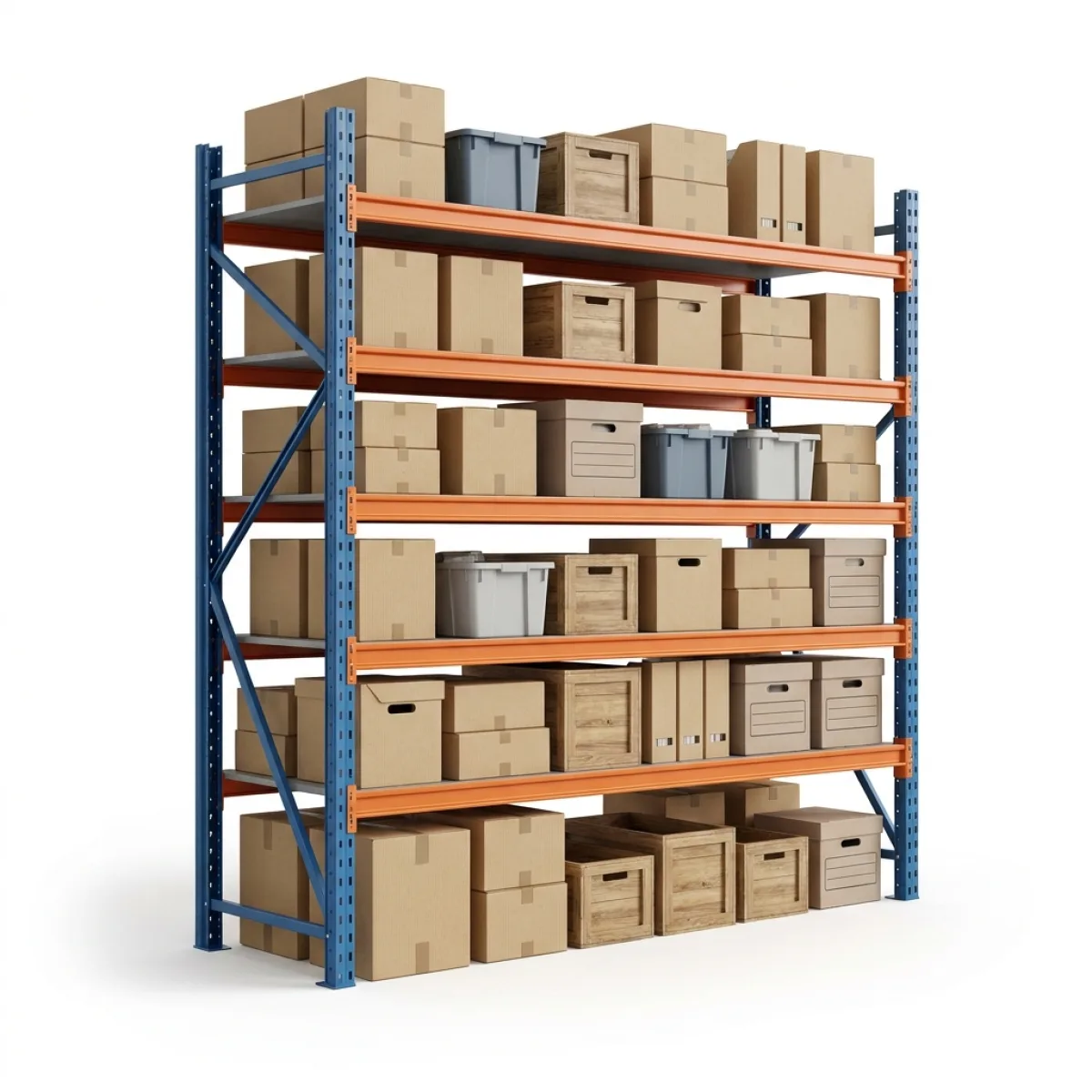
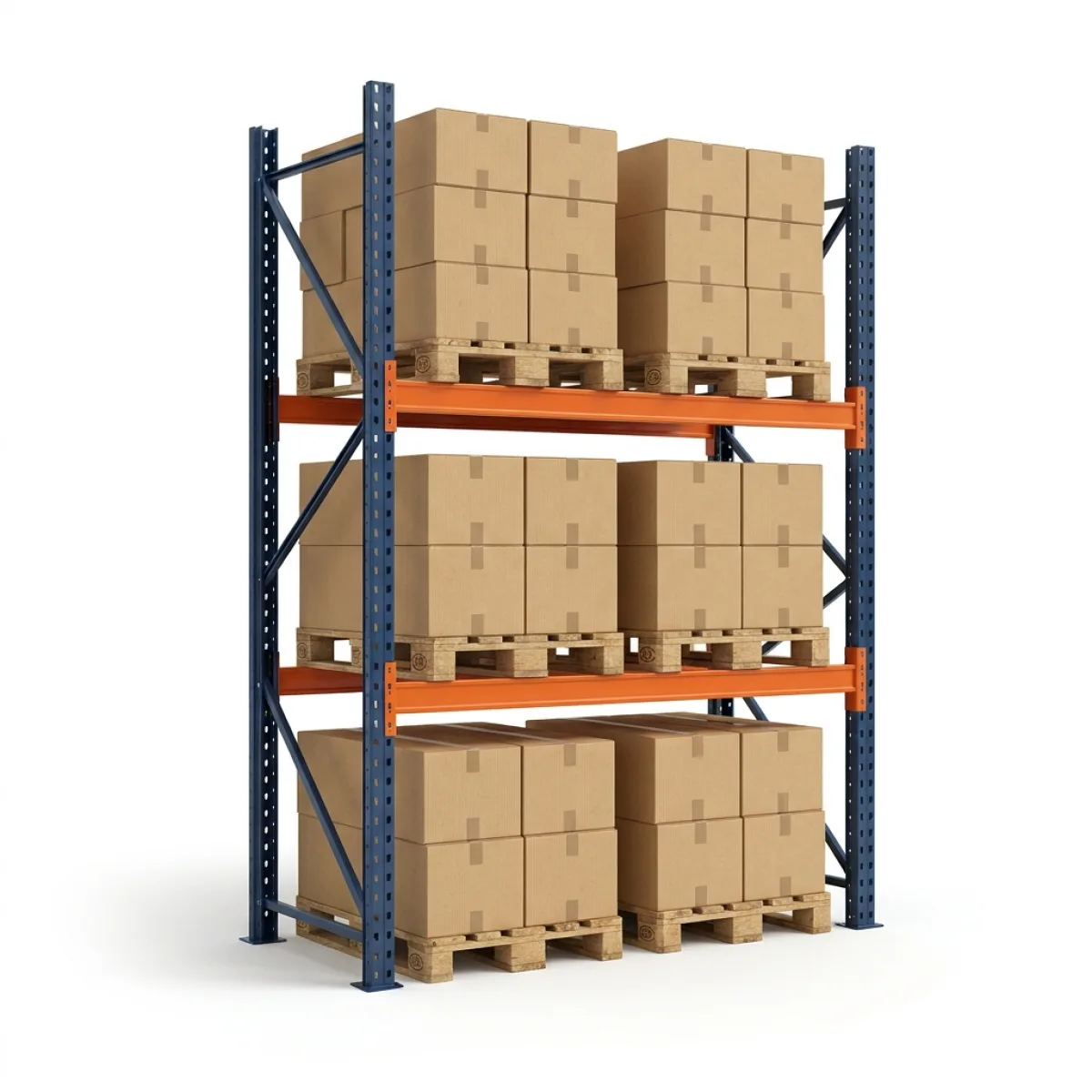
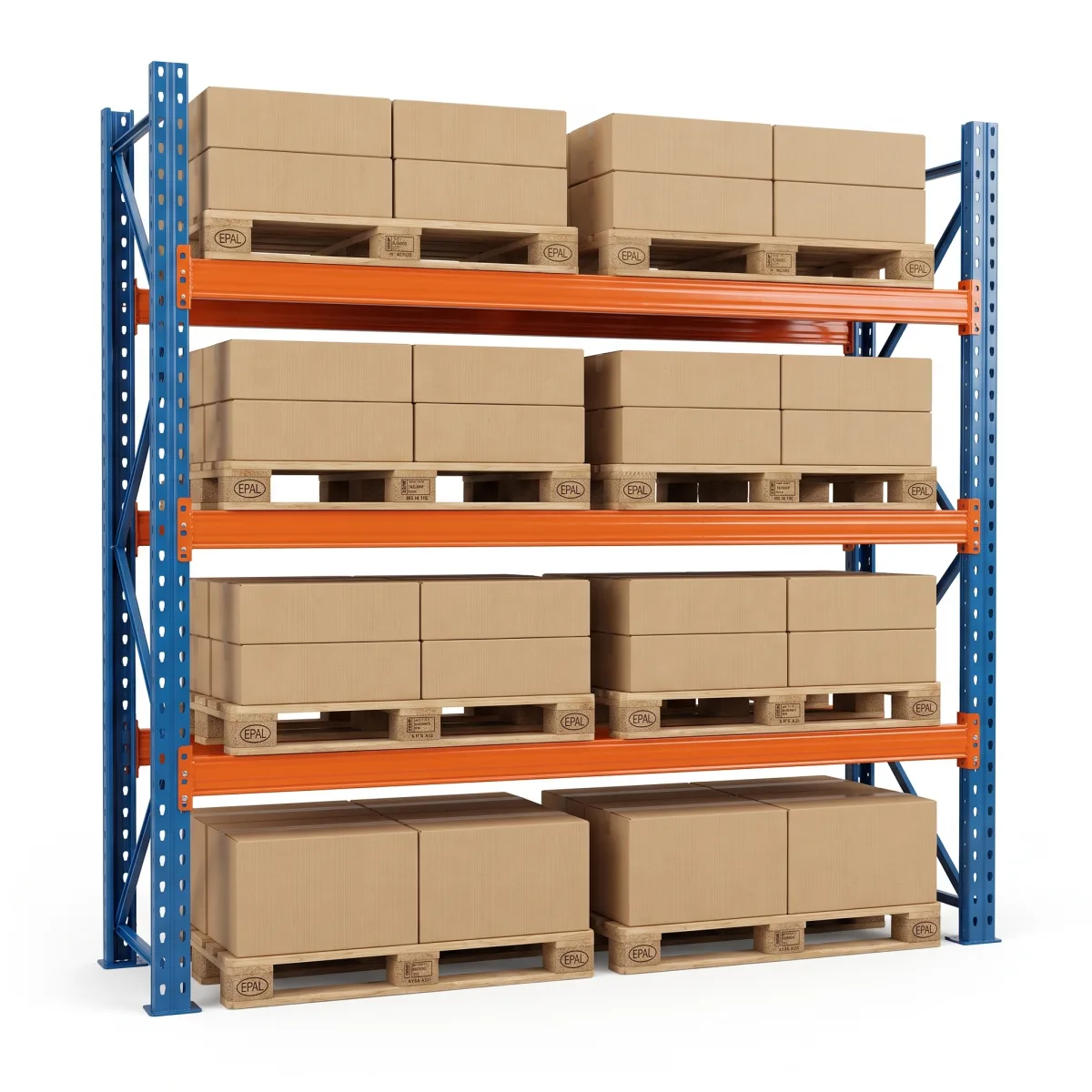
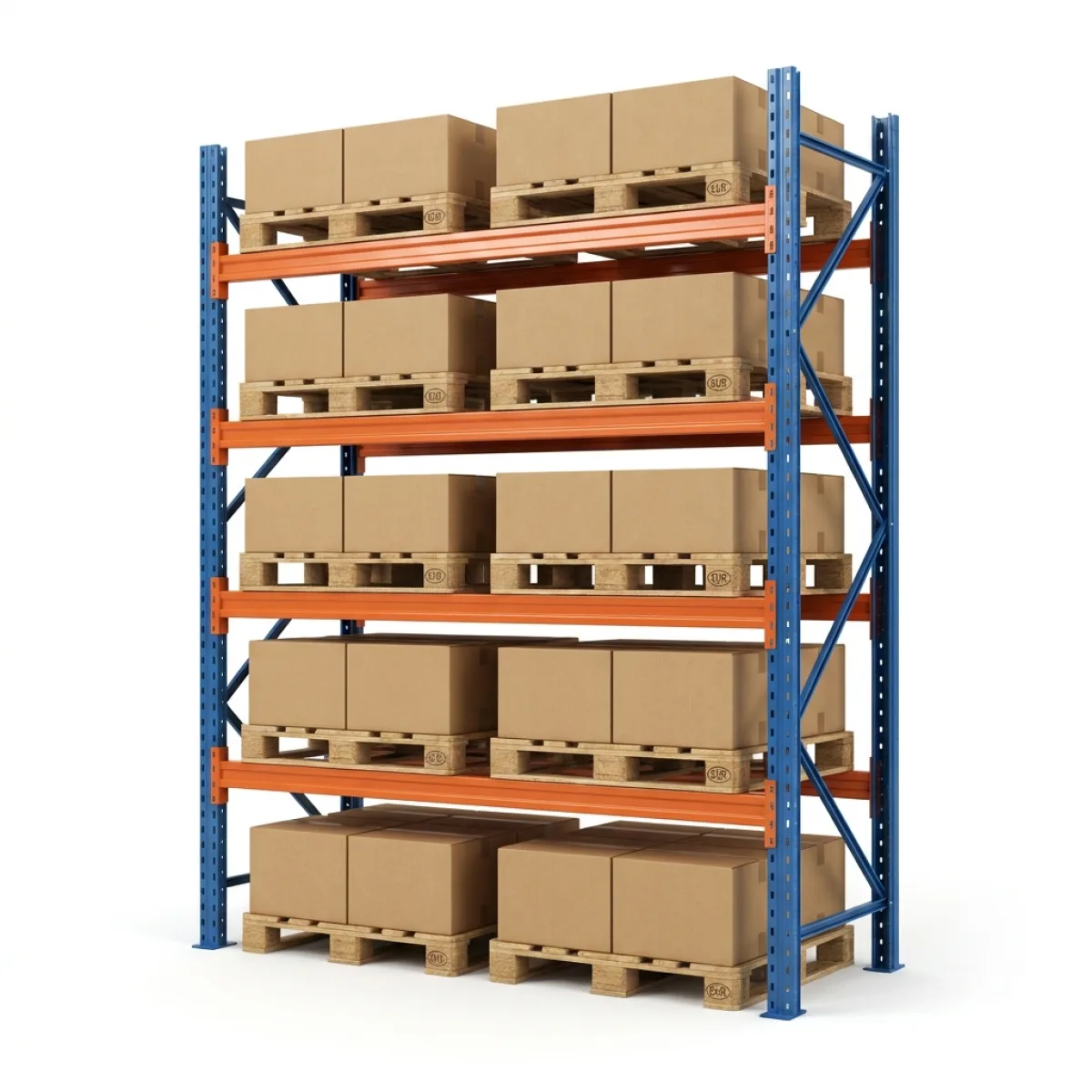
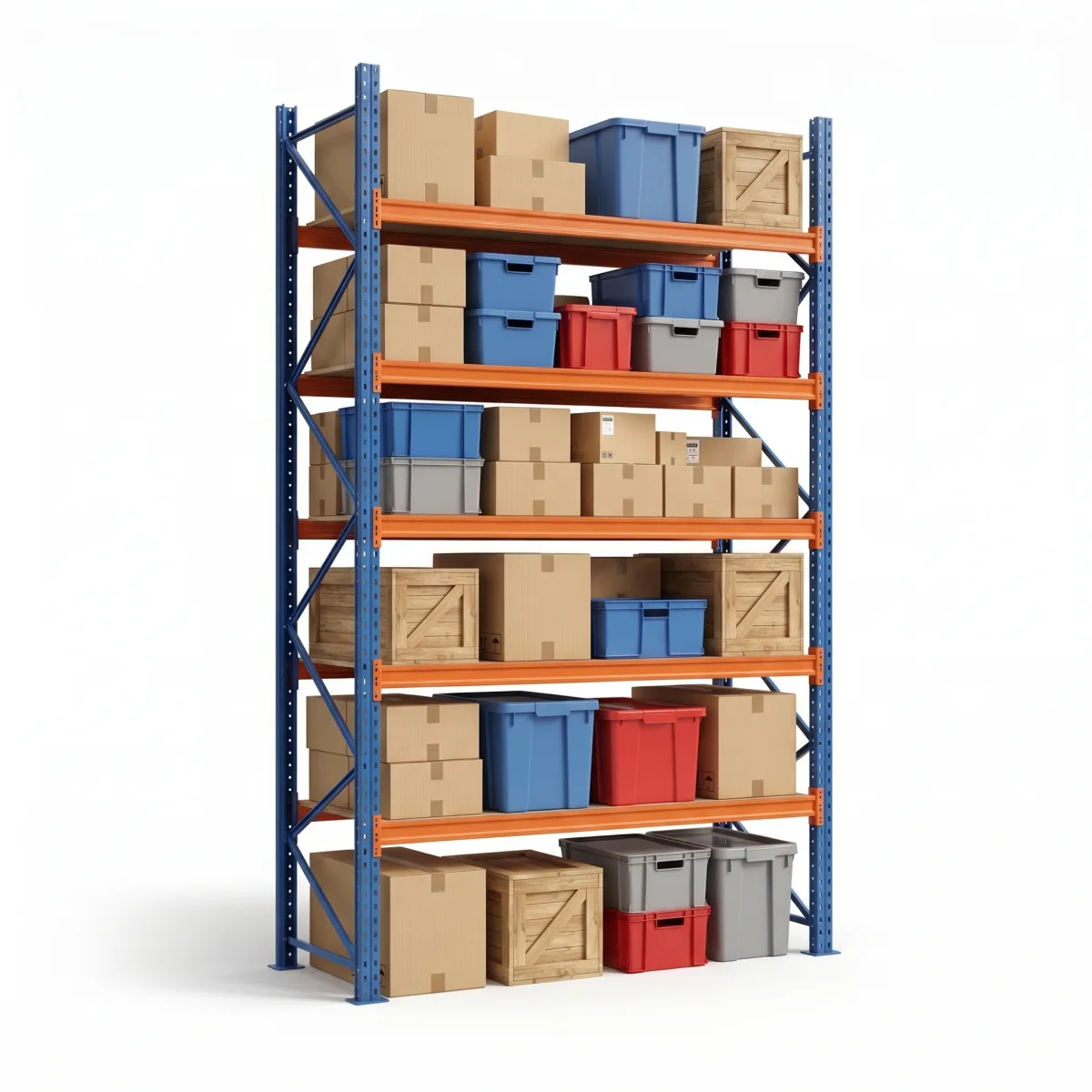
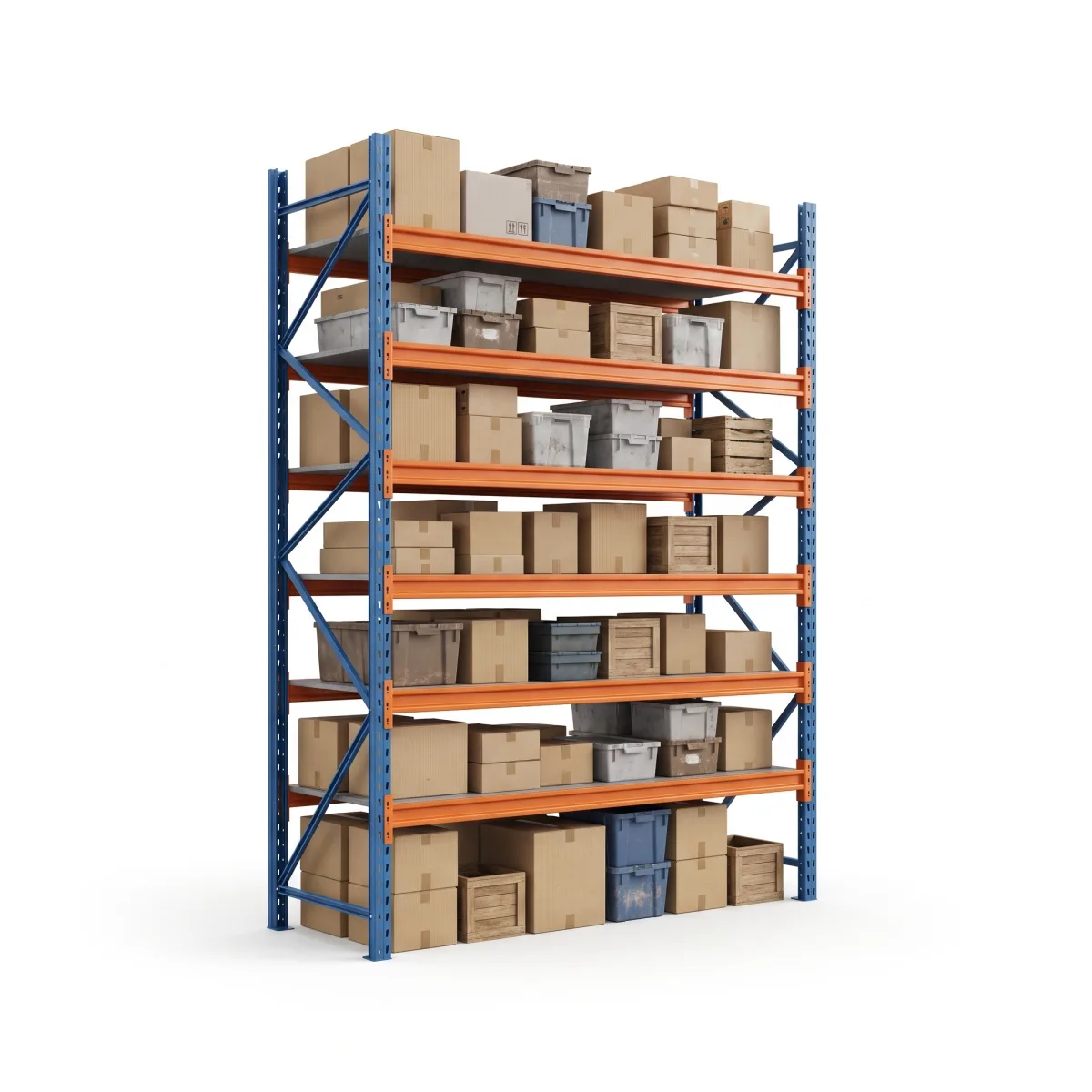
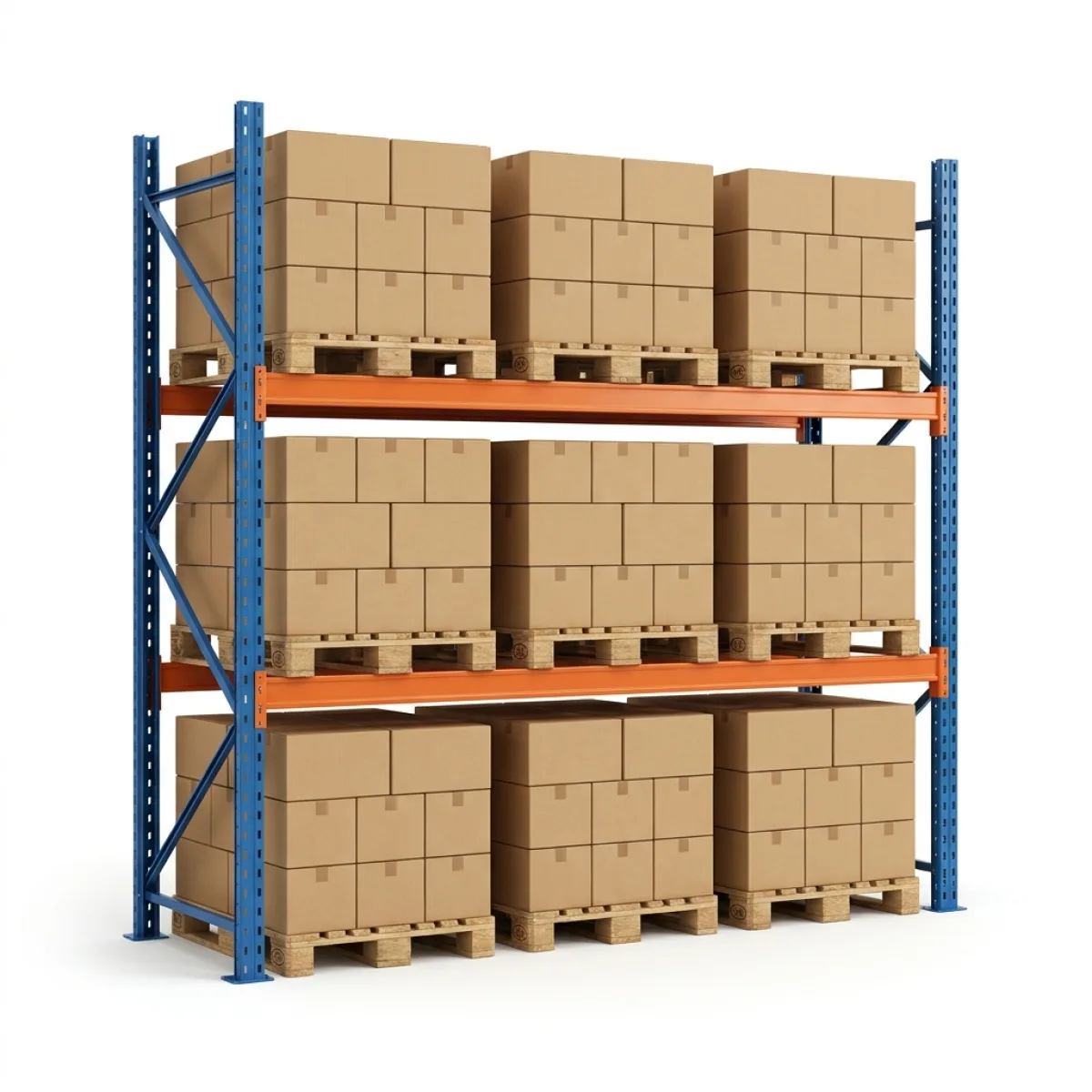
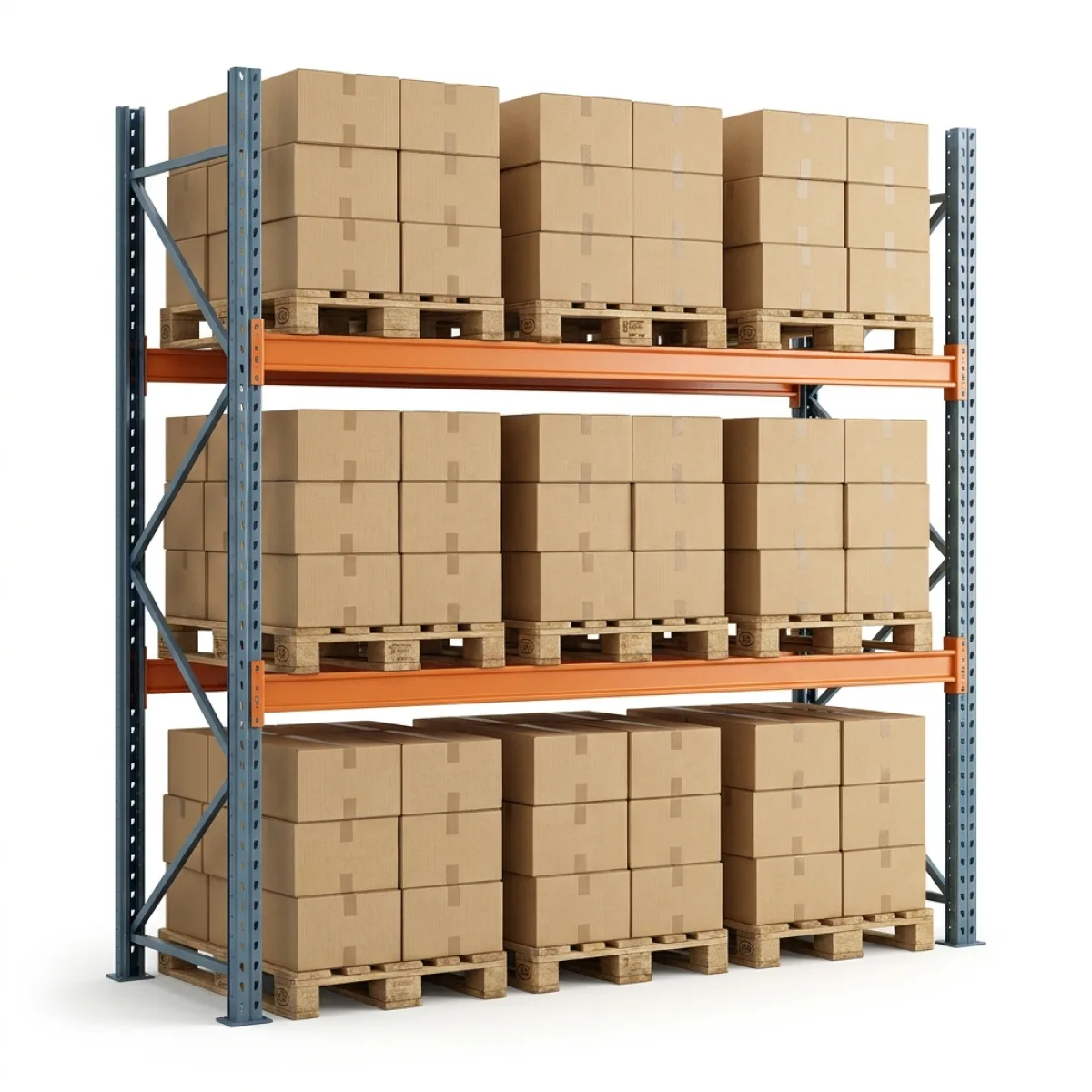
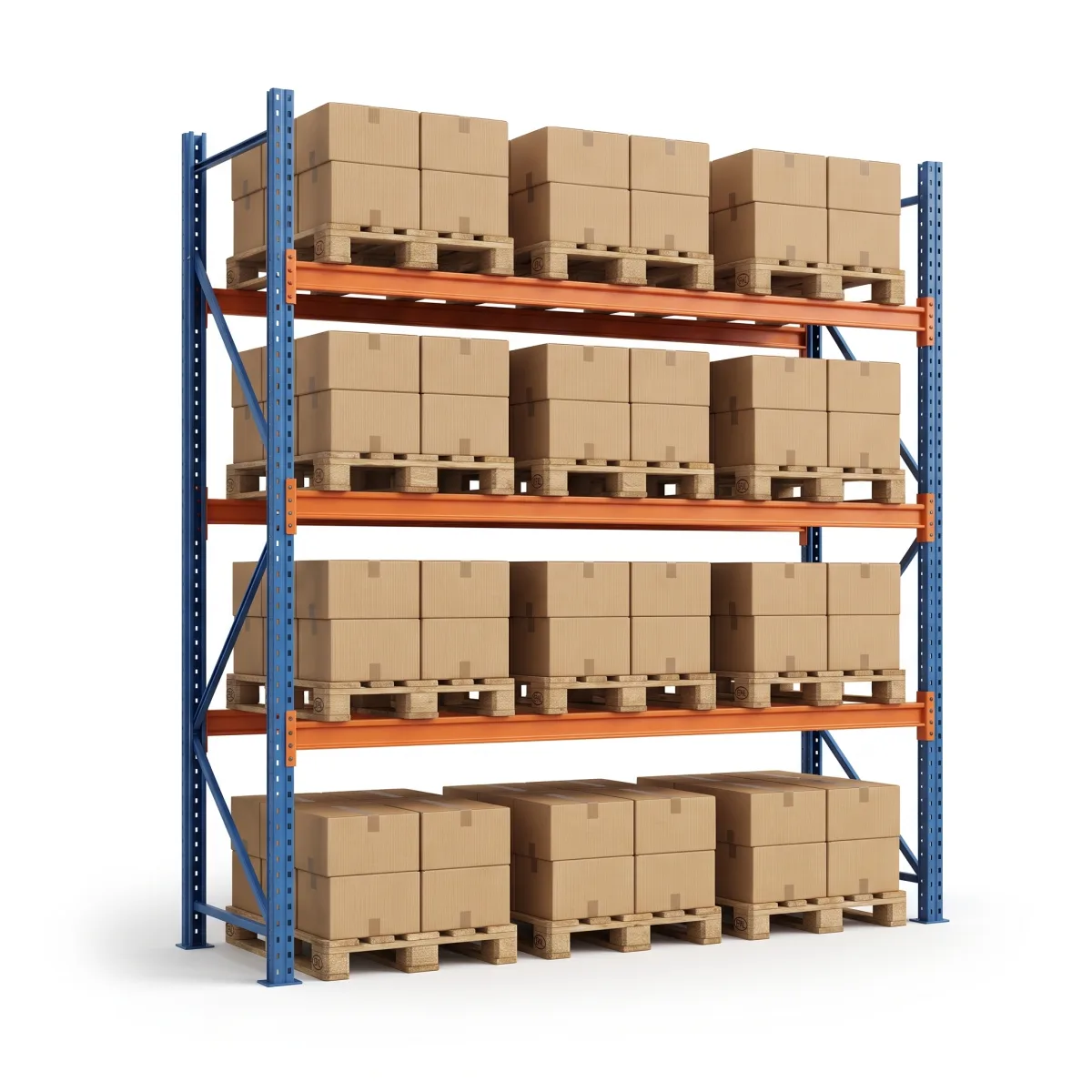
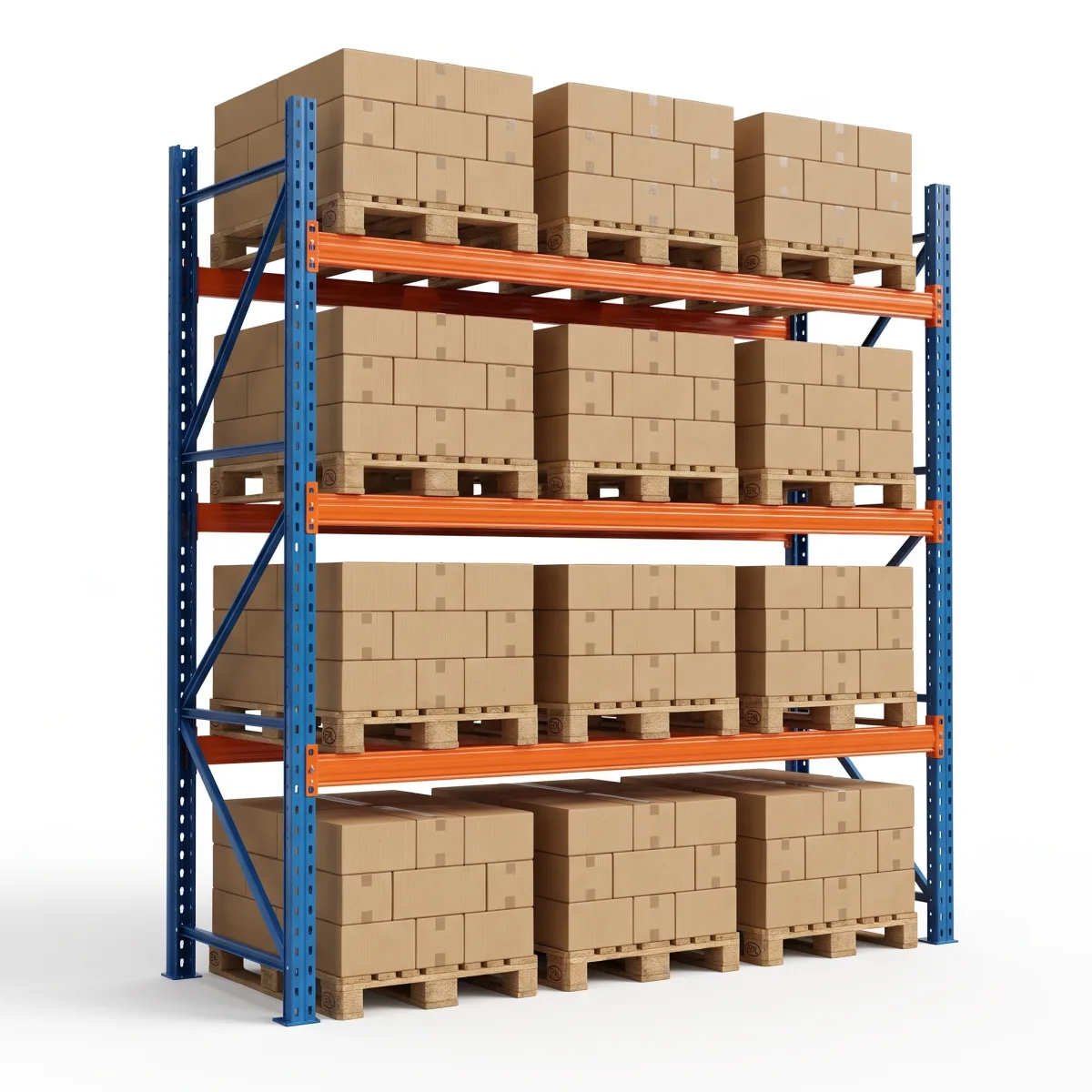
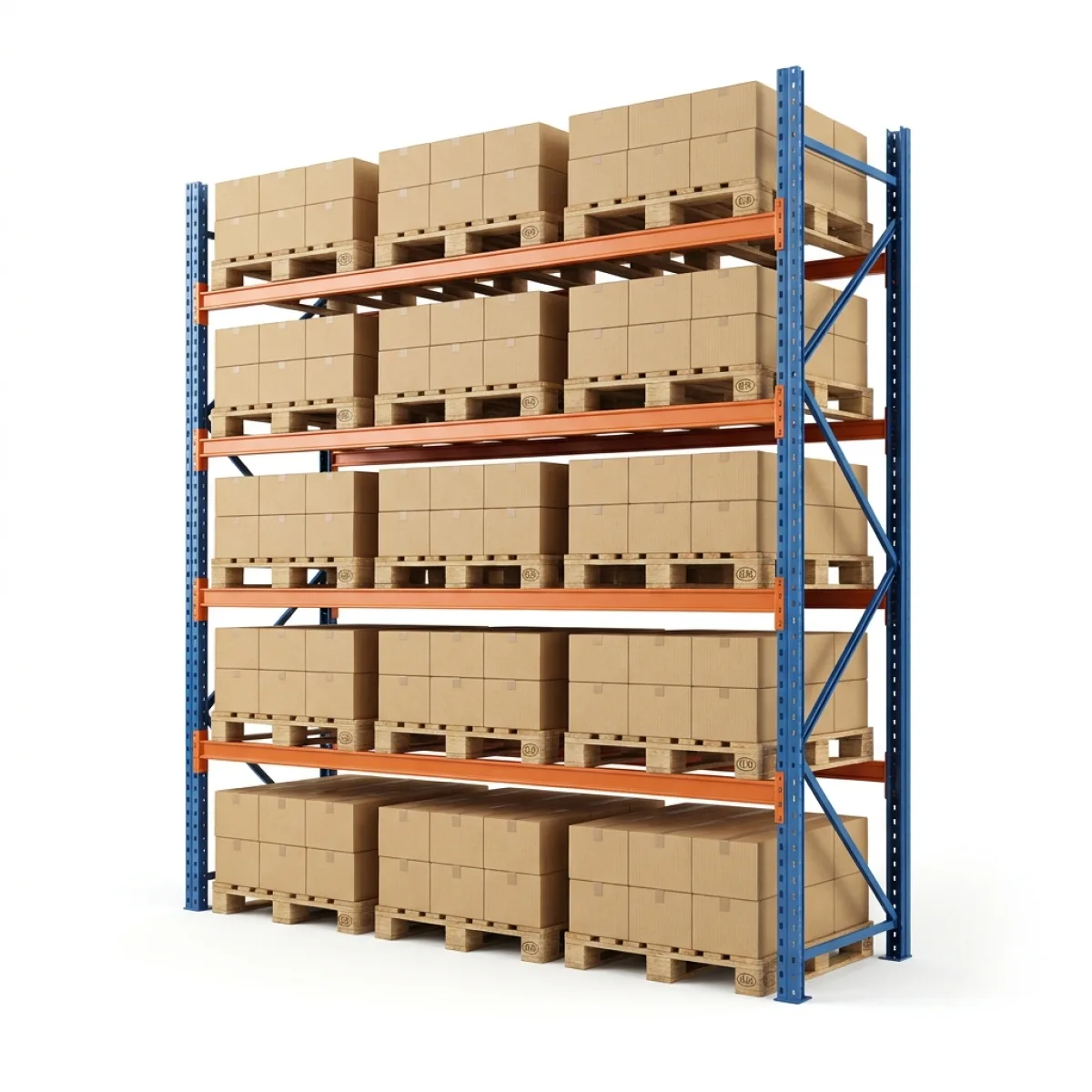
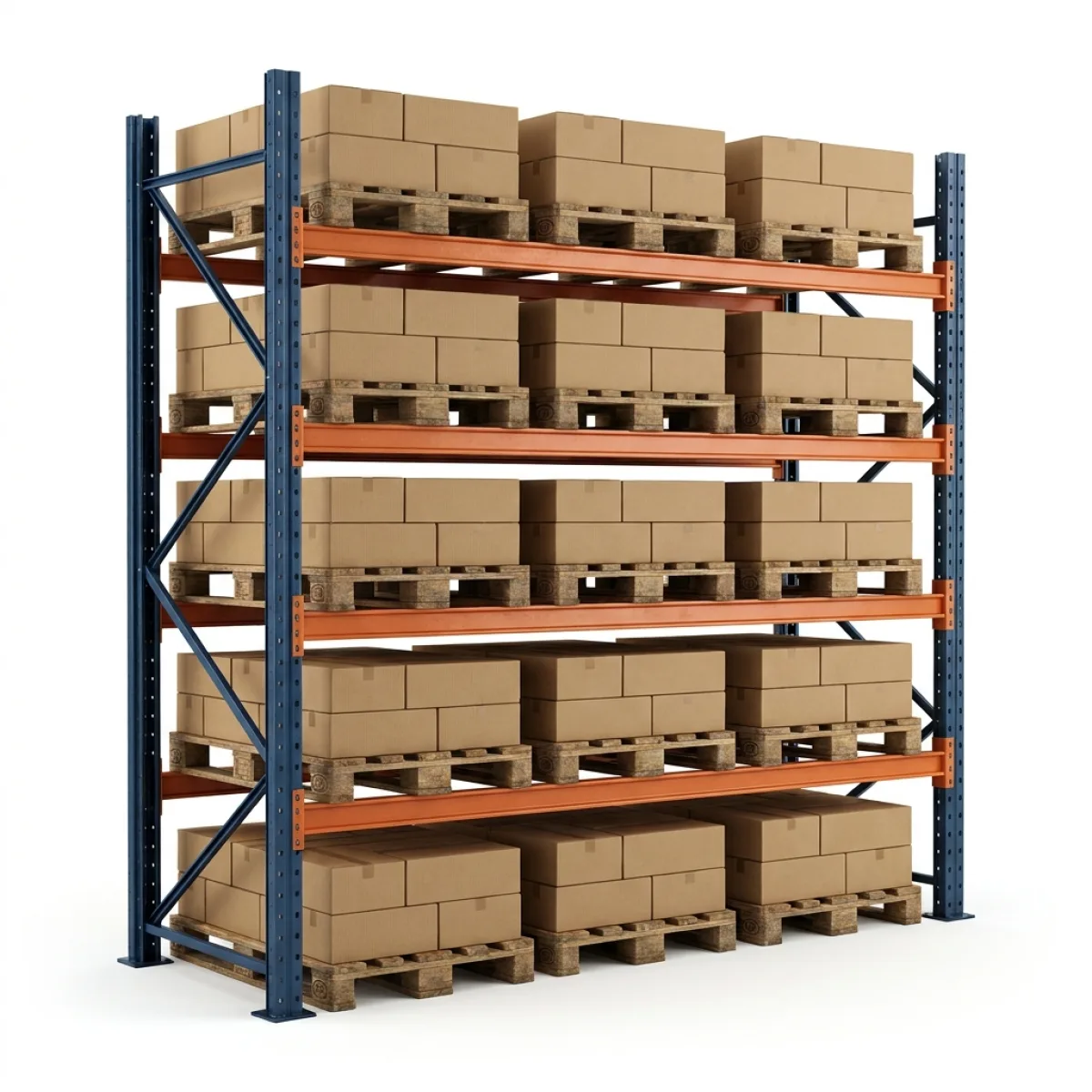
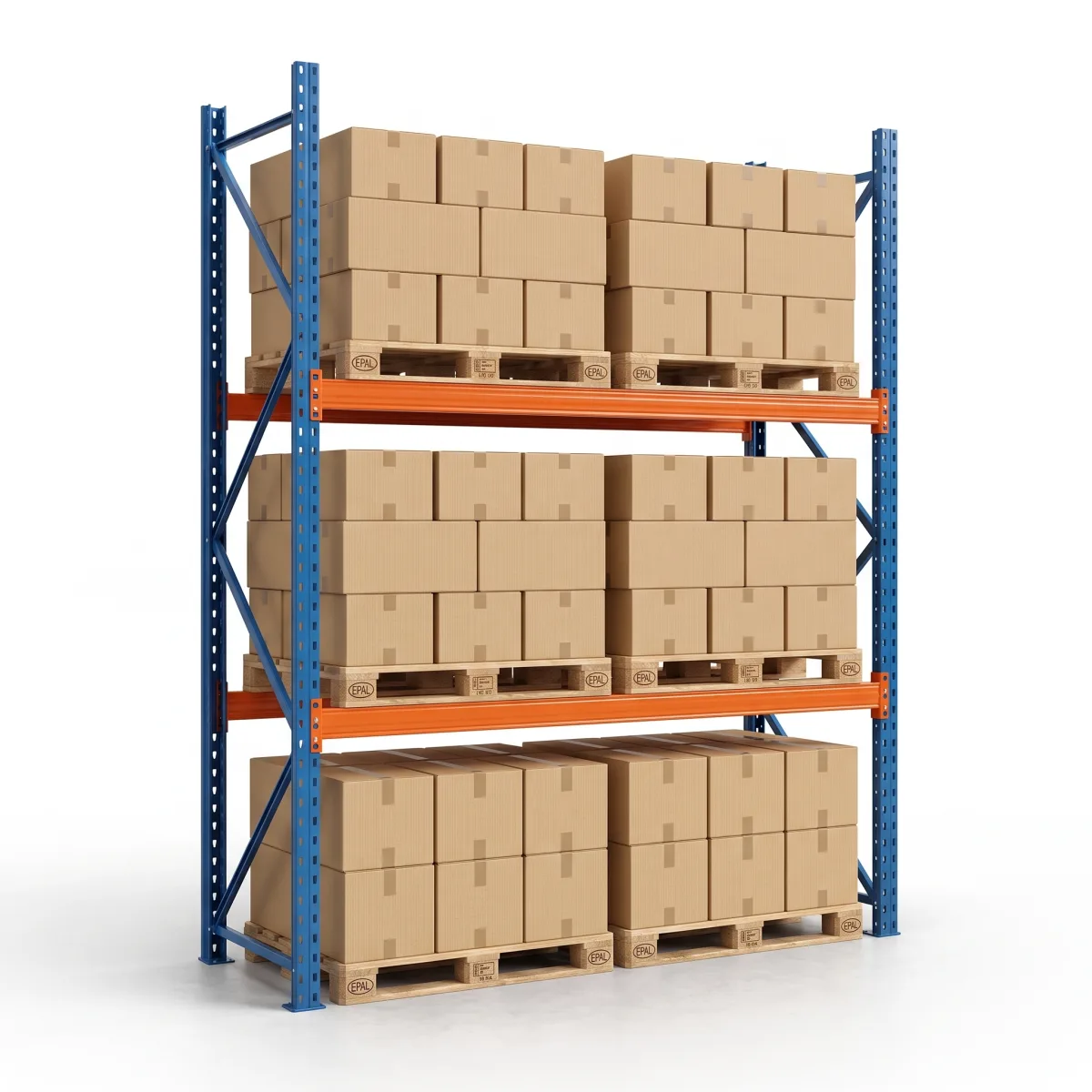
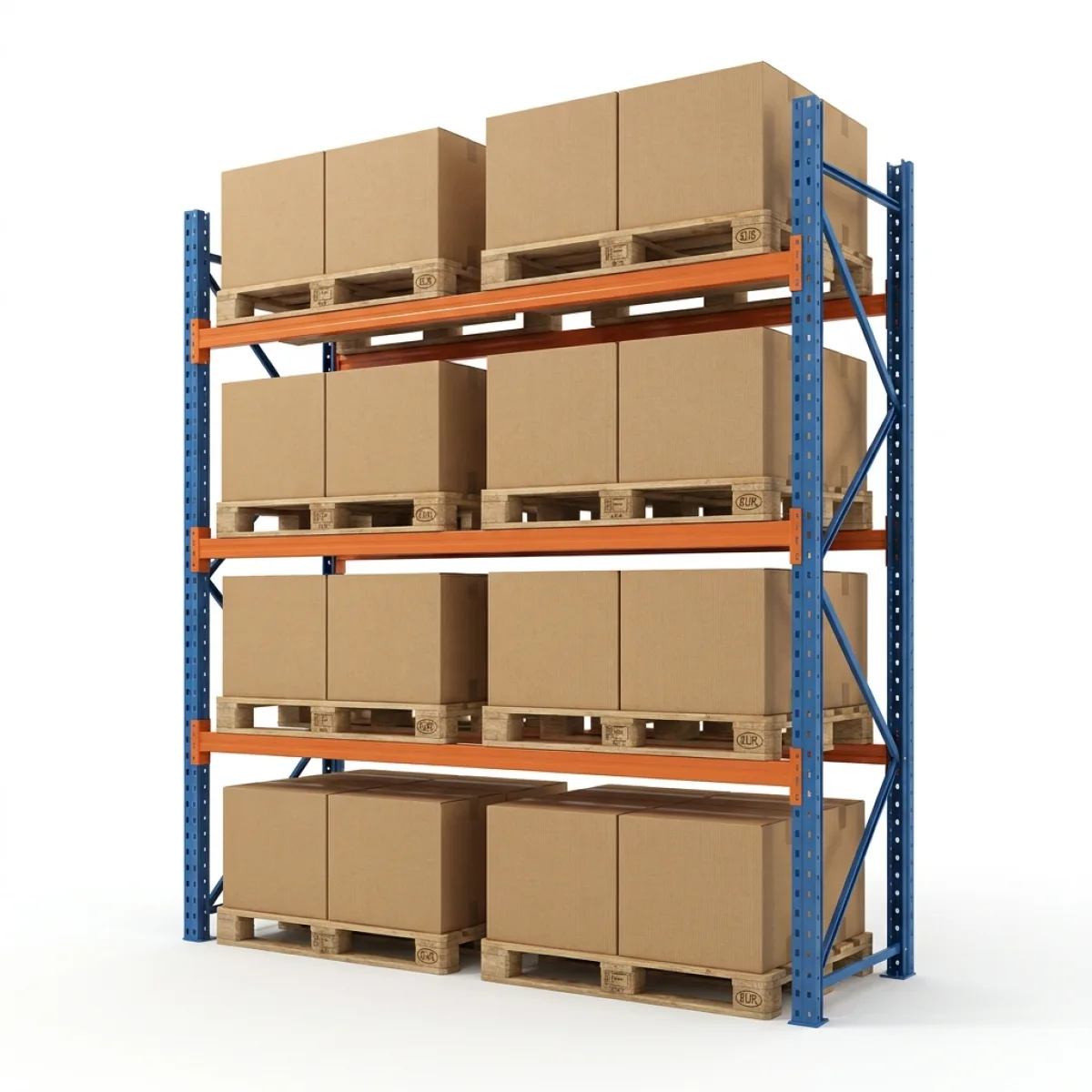
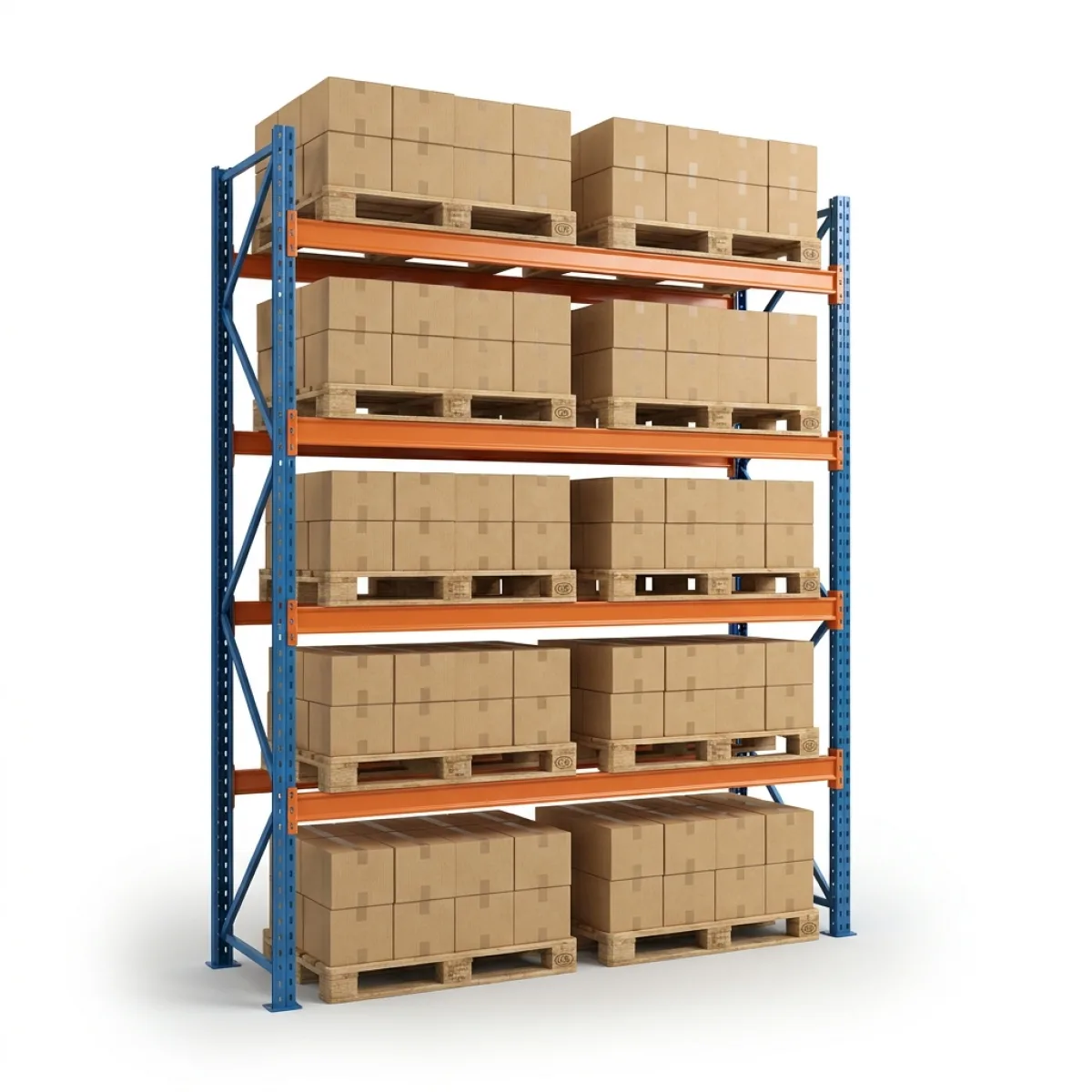
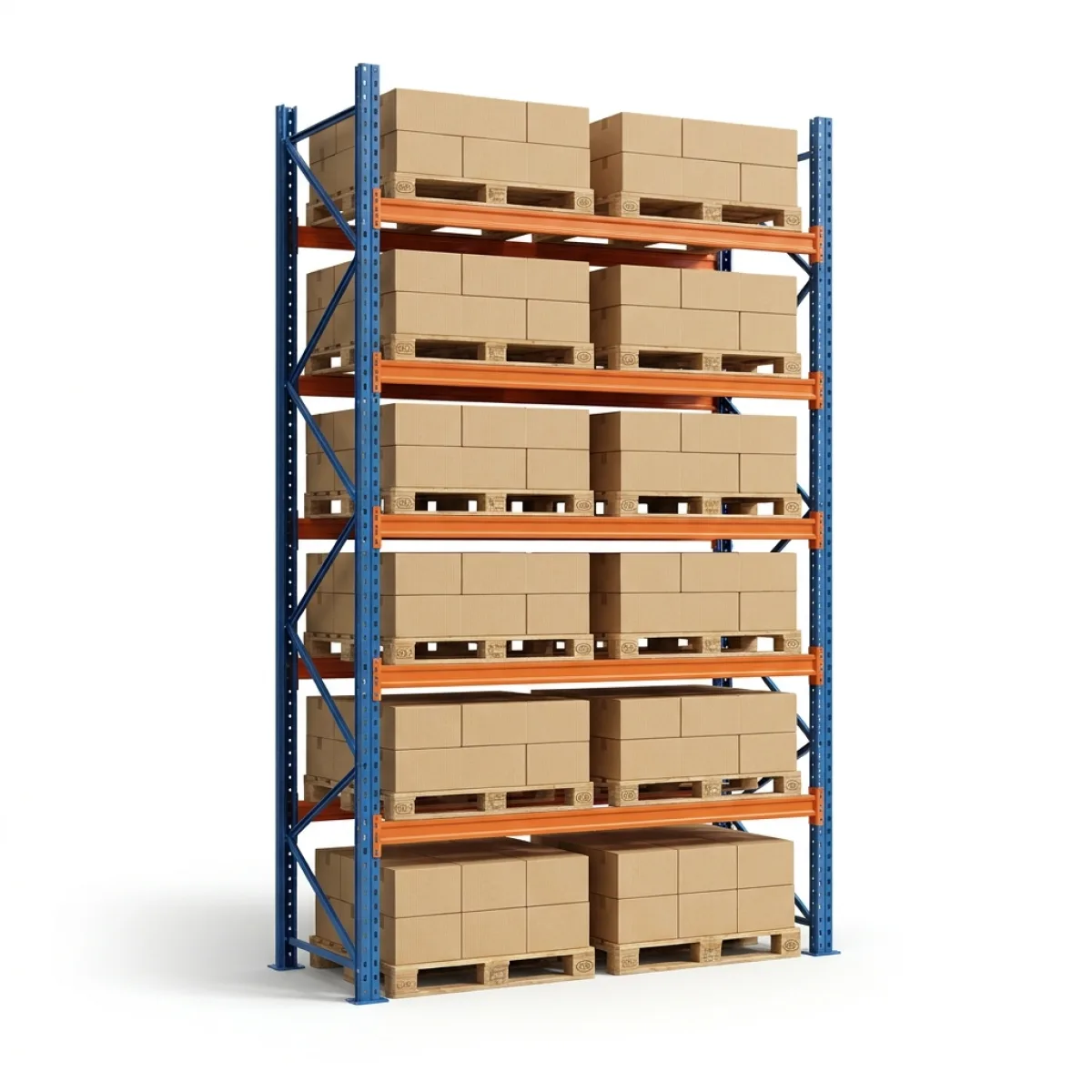
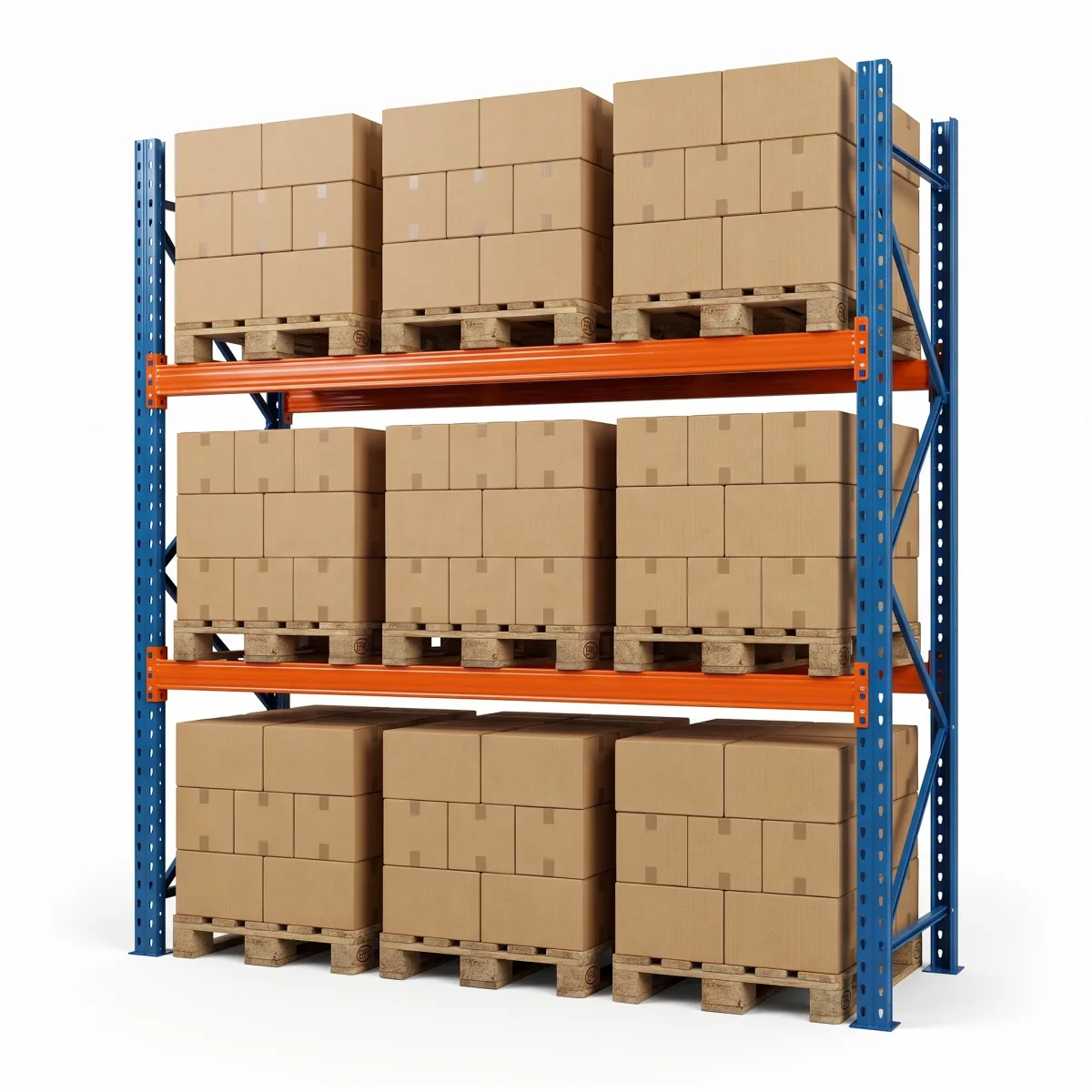
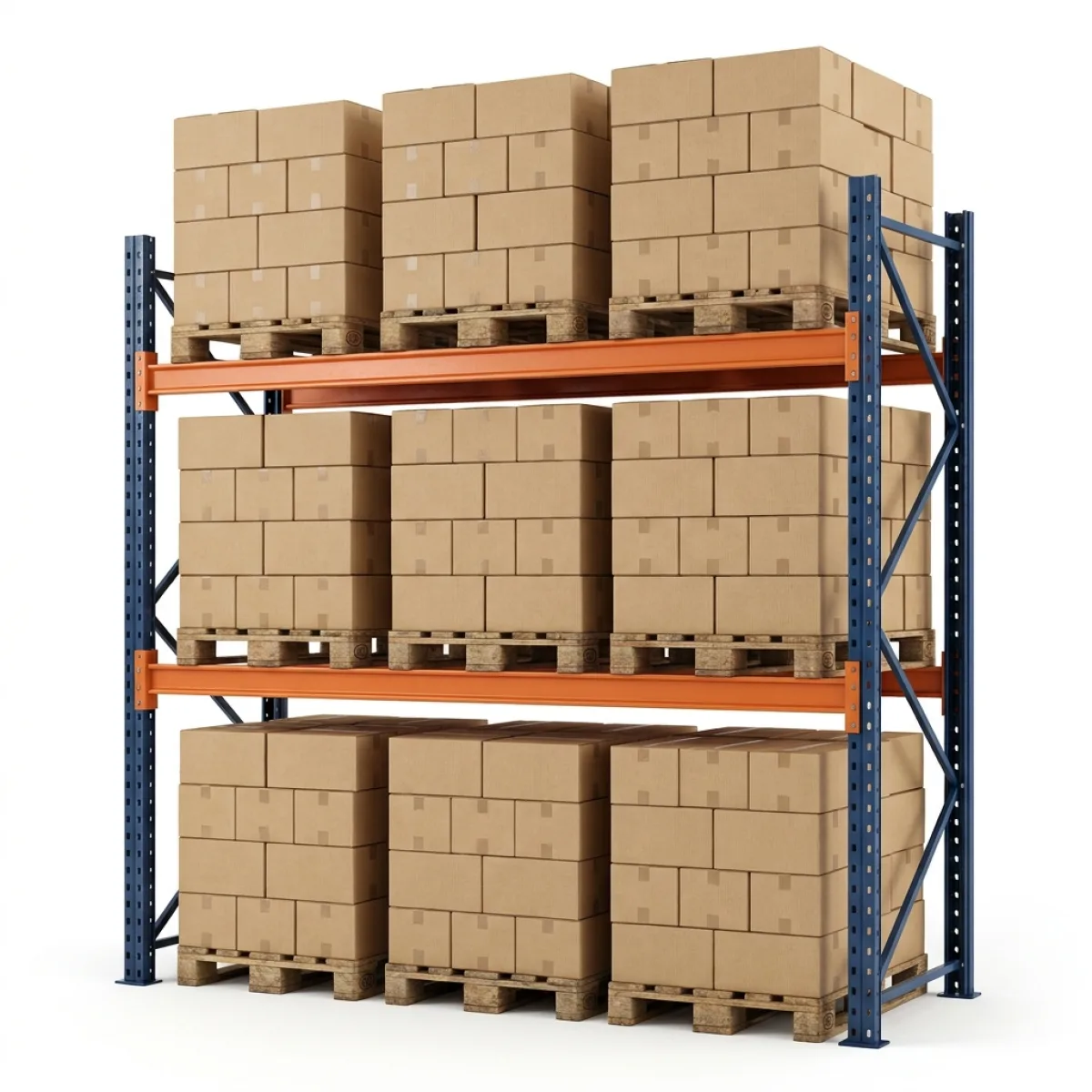
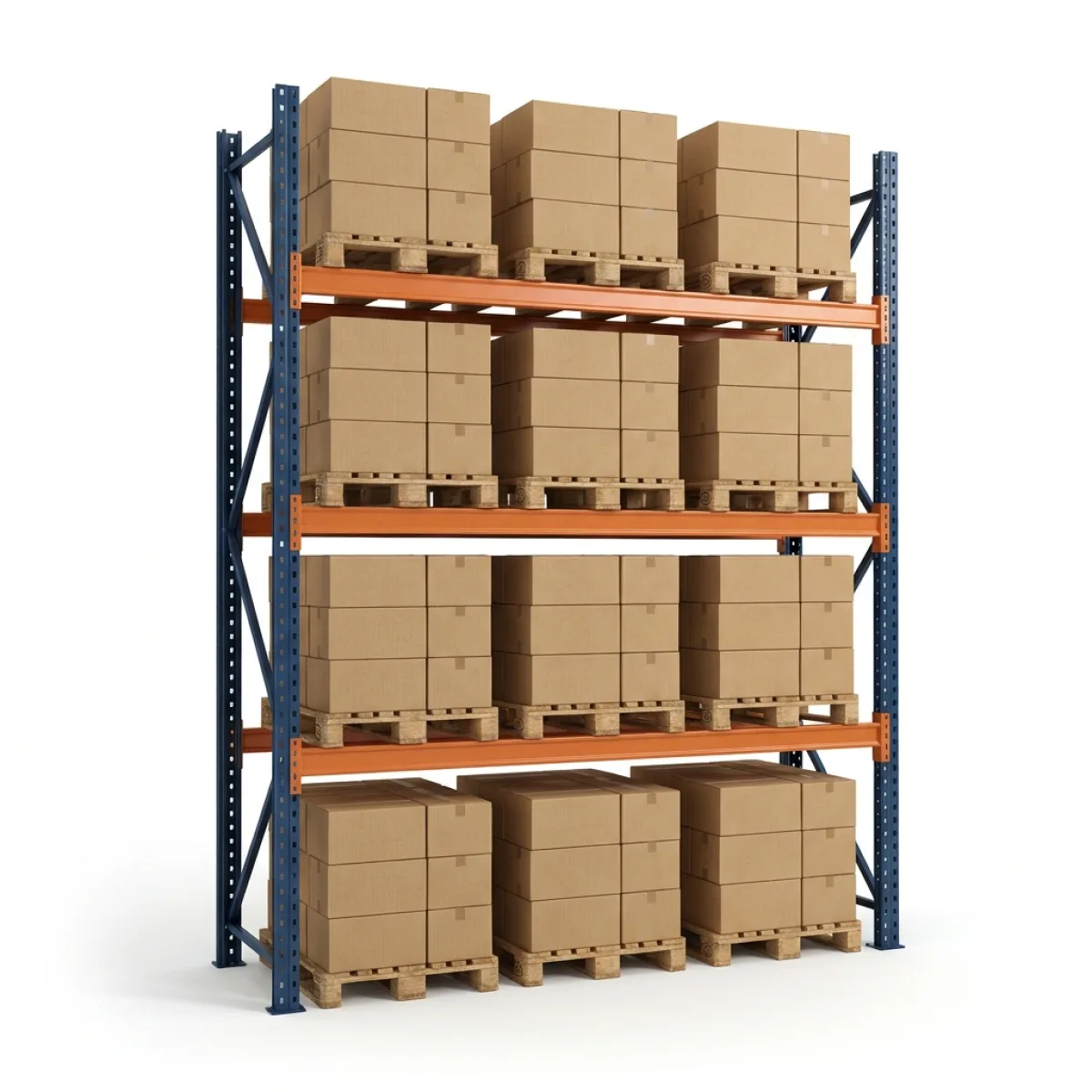
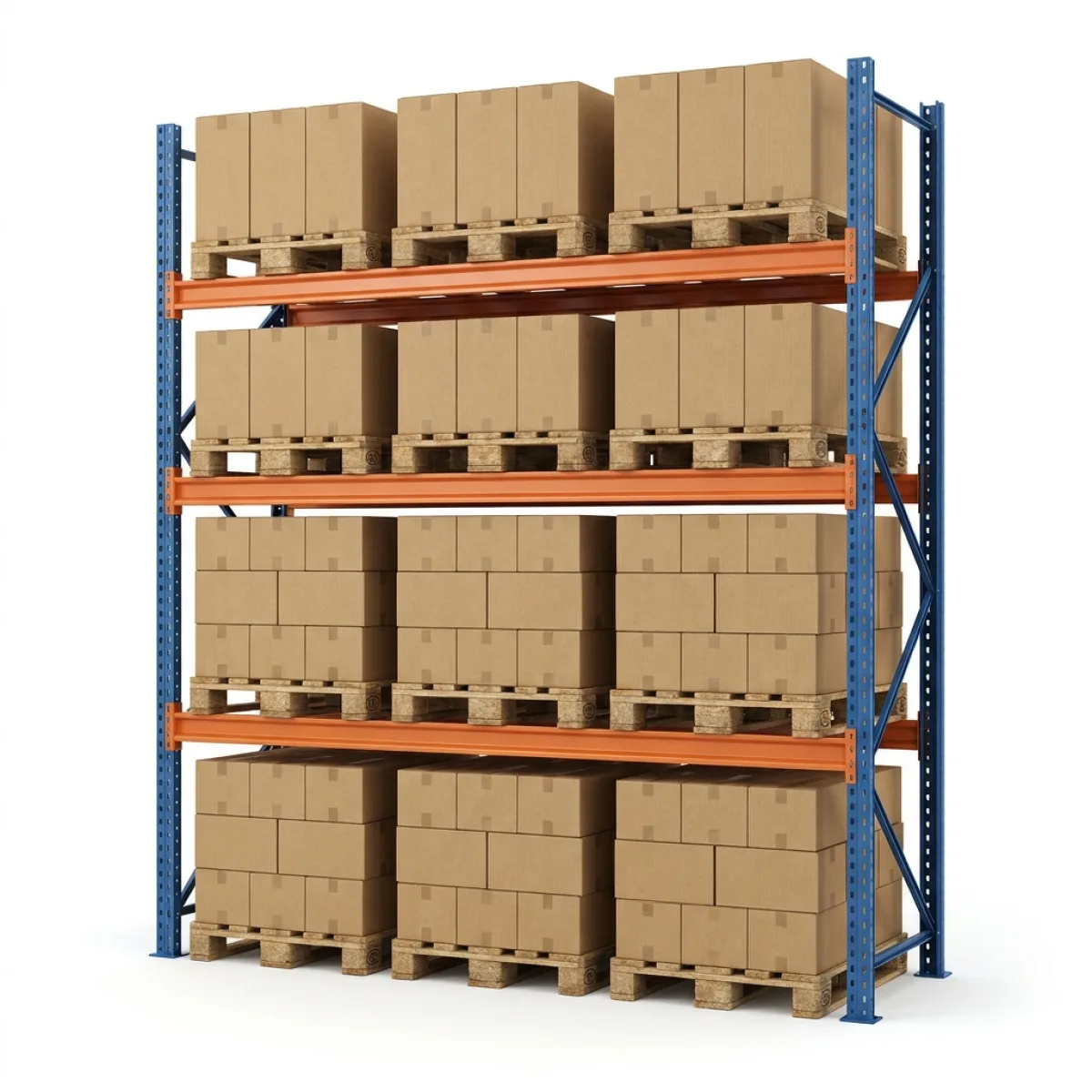
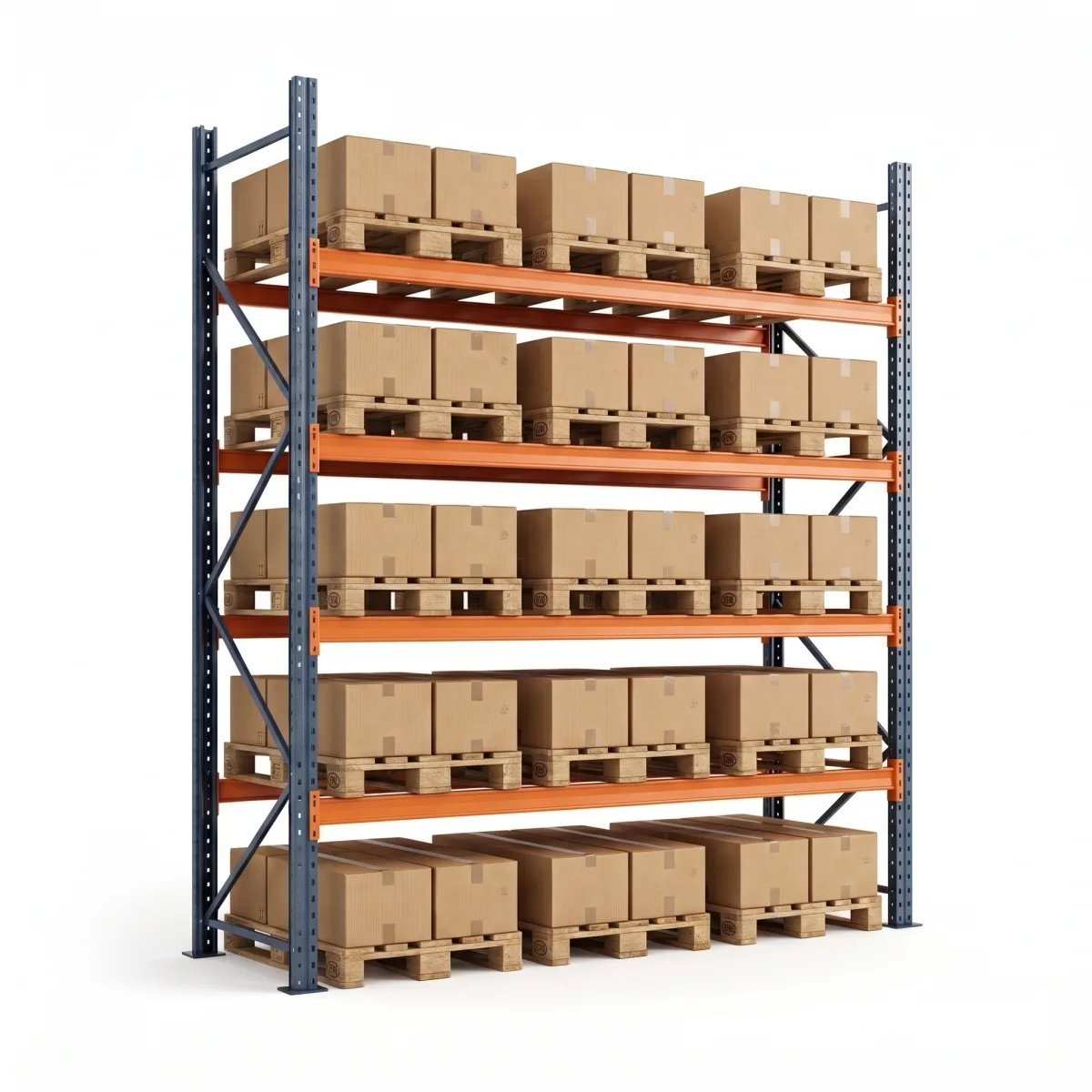
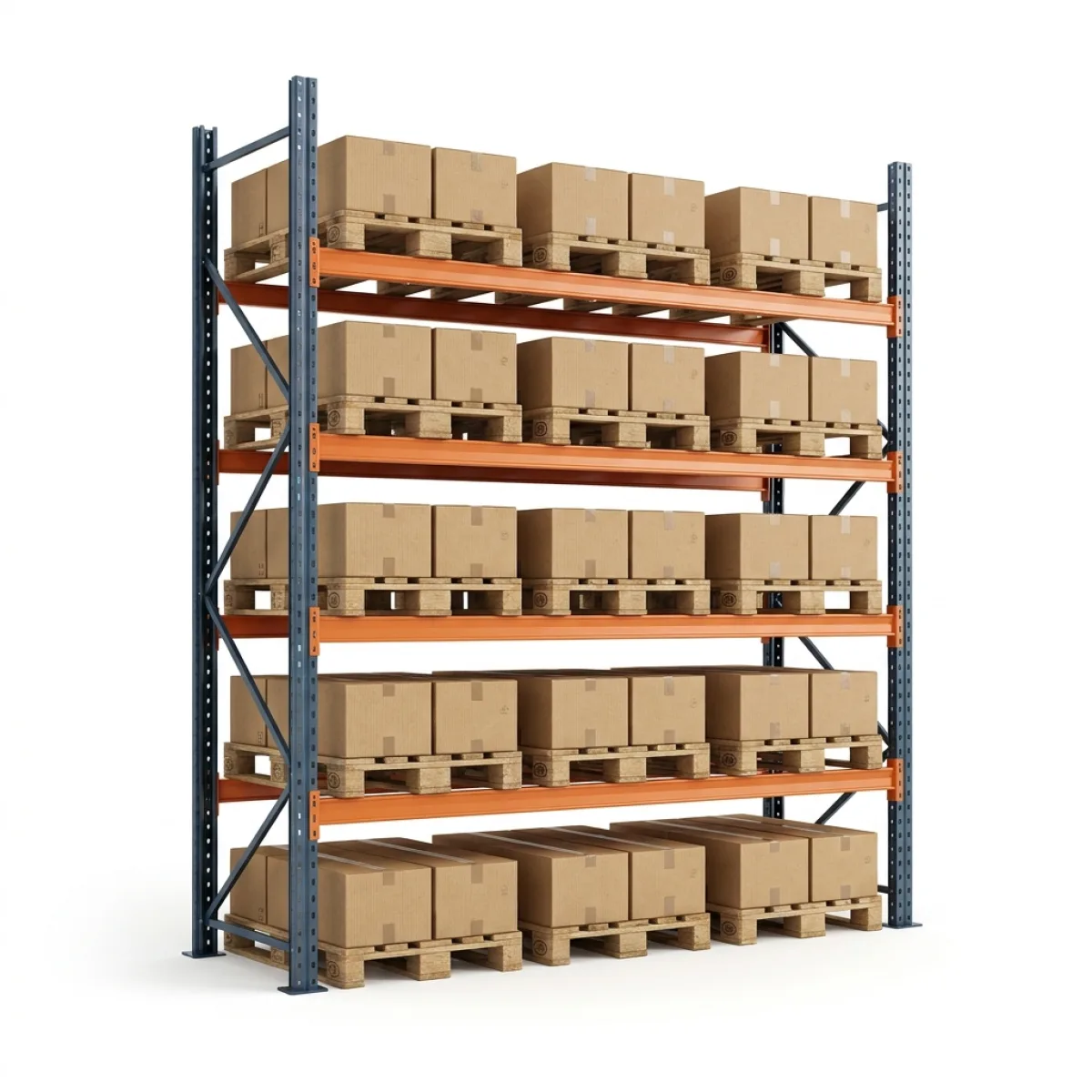
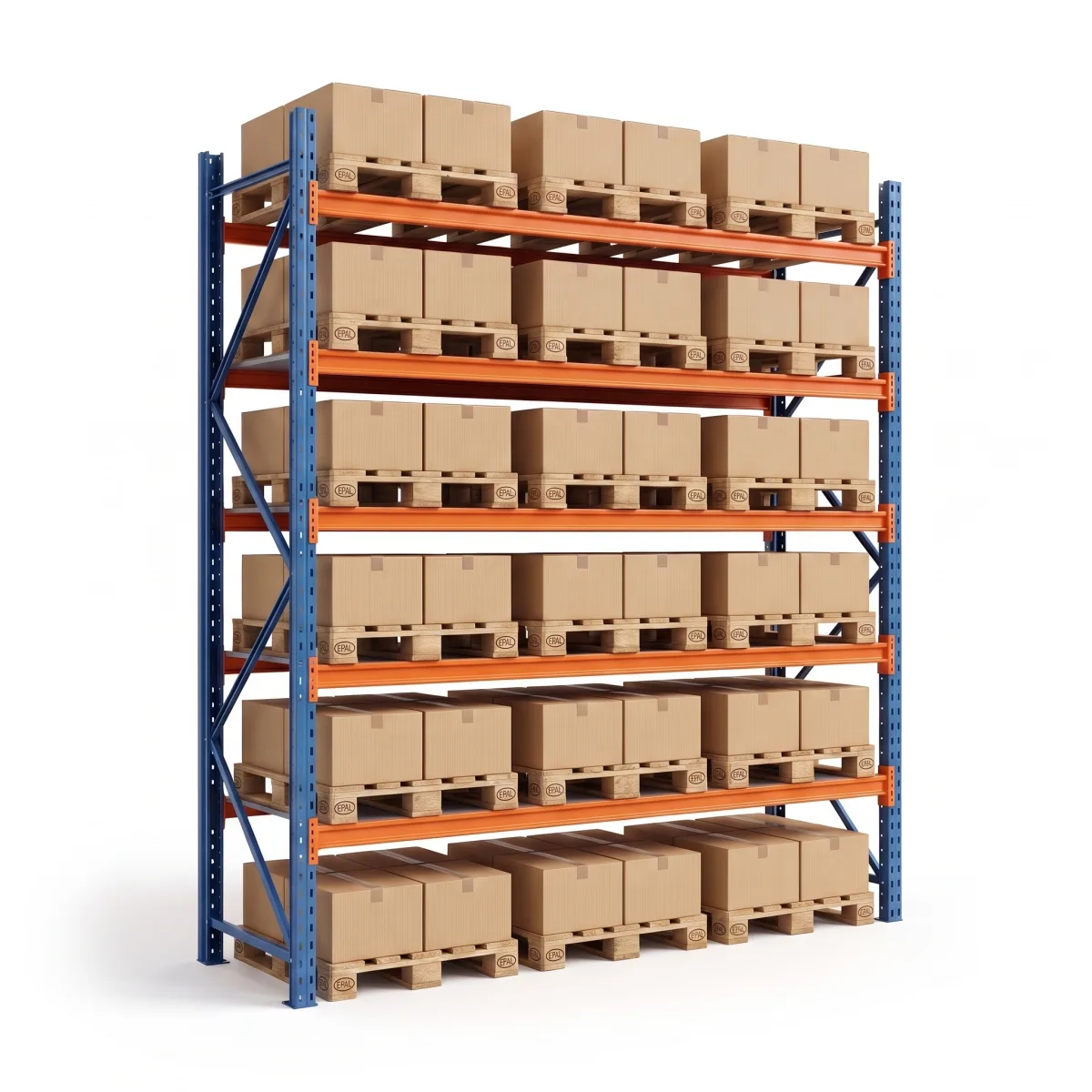
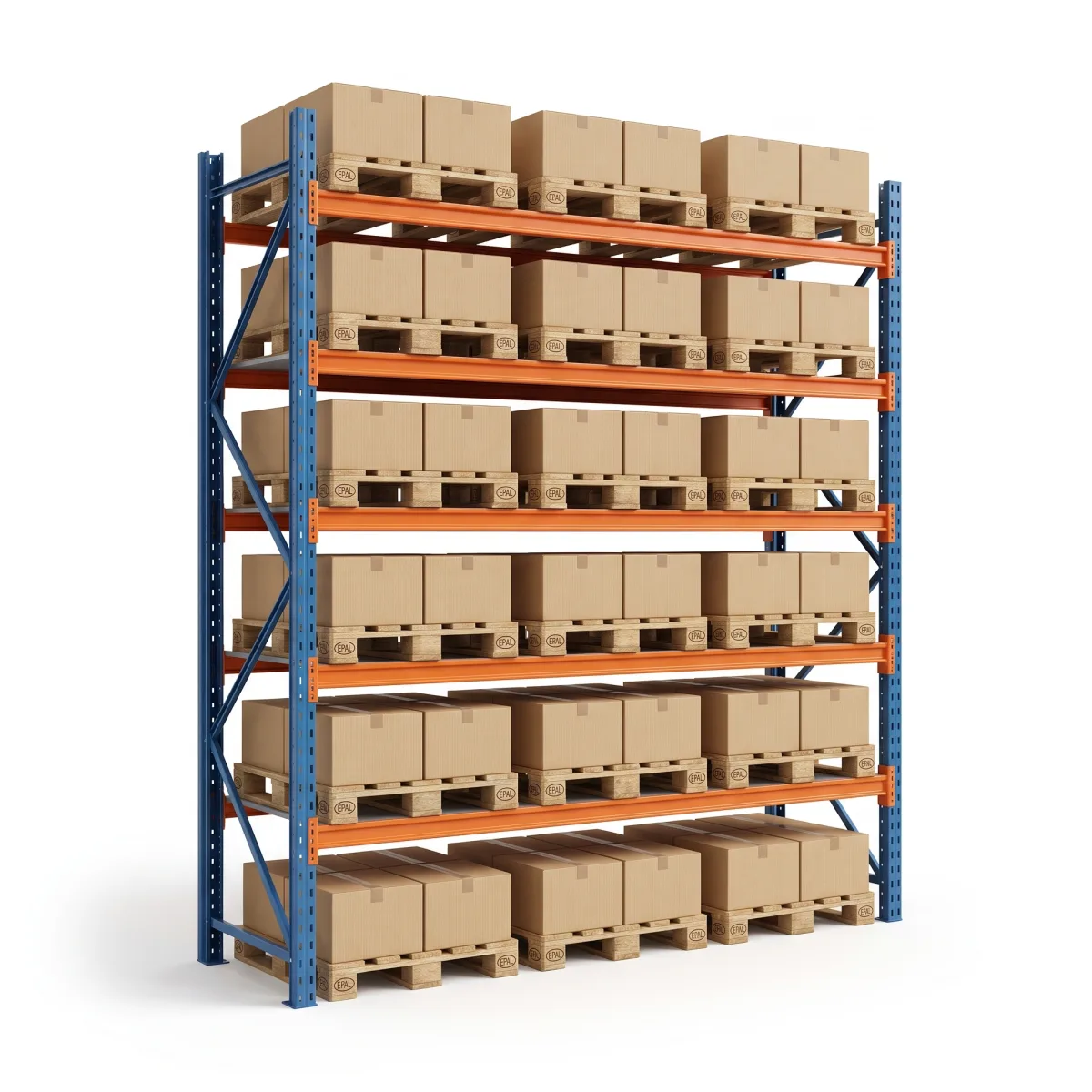
Choosing the right pallet racking configuration depends on your available vertical space and unit load requirements. This category offers upright frame heights of 255 cm, 300 cm, and 353 cm, all featuring a standard frame depth of 100 cm. You can select beam spans of 184 cm to hold 2 Euro pallets per level, or 269 cm to accommodate 3 Euro pallets per level, with options ranging from 2 to 6 beam levels.
Regarding load capacity, these models support up to 1000 kg per level in standard builds, or 1500 kg per level in reinforced versions. Each kit supplies 2 upright frames along with solid beams to maintain structural stability under heavy weight. Choosing reliable pallet racking ensures organised vertical storage for heavy inventory.
Assembly is straightforward and fast. Beams lock securely into uprights with a safety pin to prevent accidental displacement during routine handling. Every base plate ensures a solid foundation. Adding an upright protector or a protection barrier safeguards your pallet racking against accidental impacts from handling equipment.
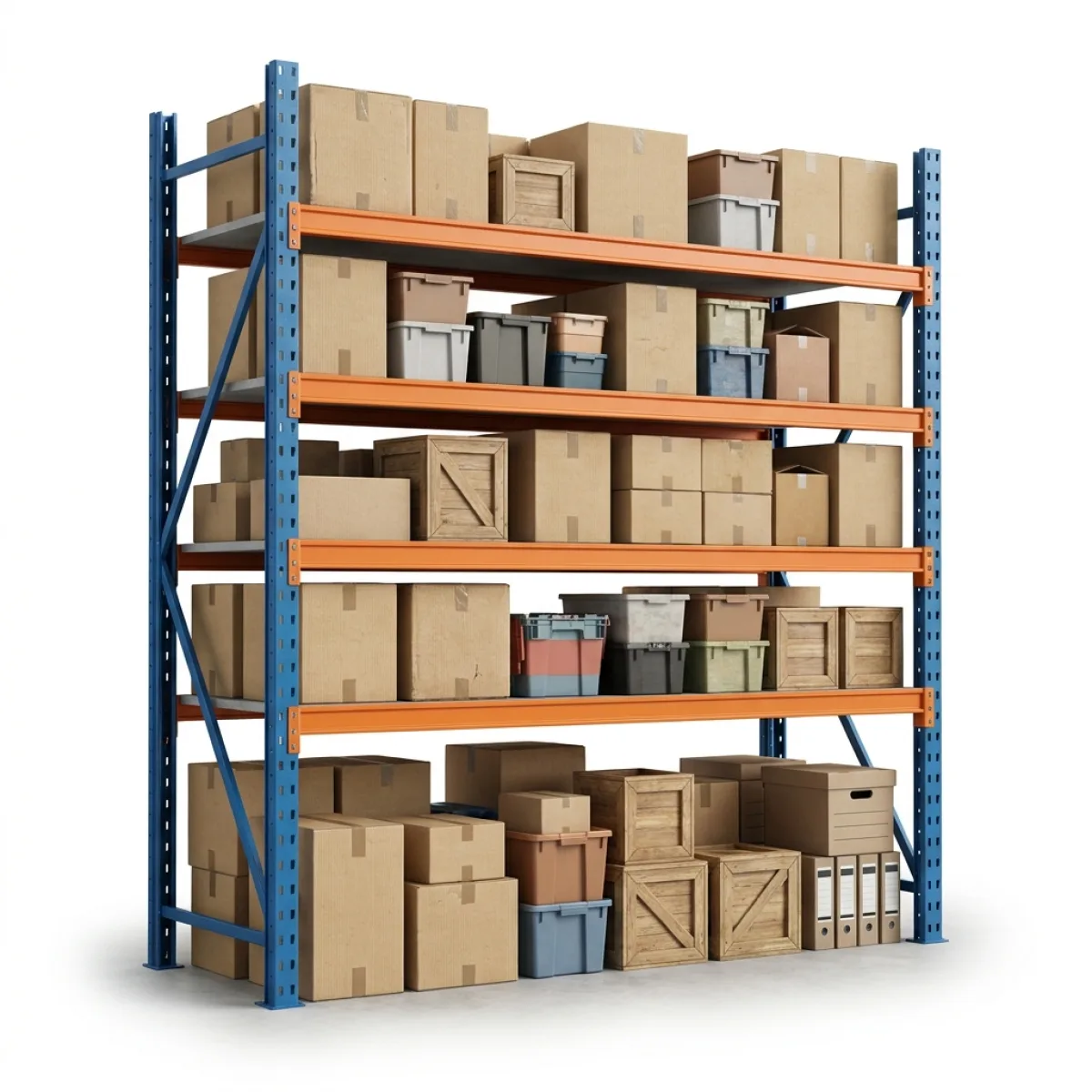
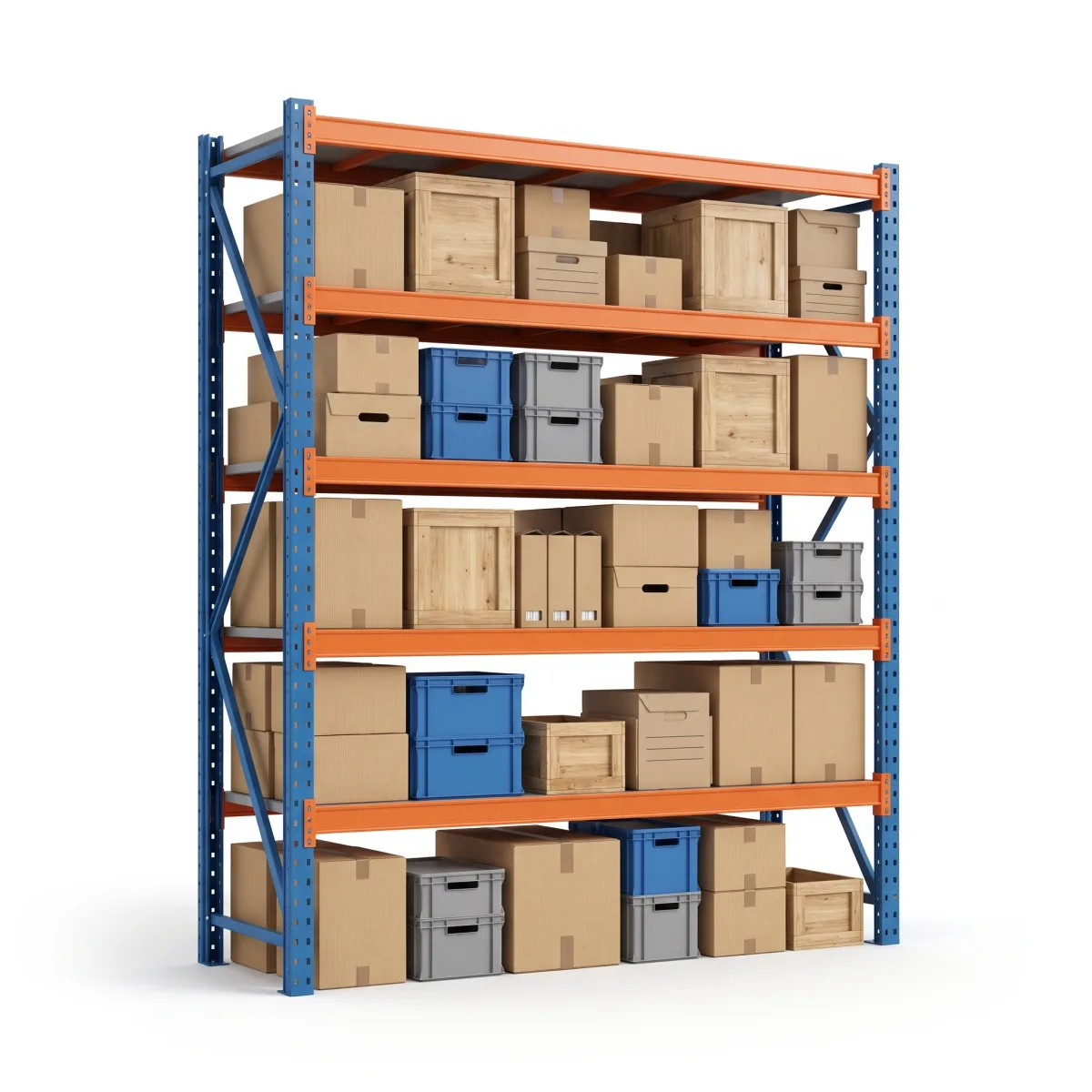
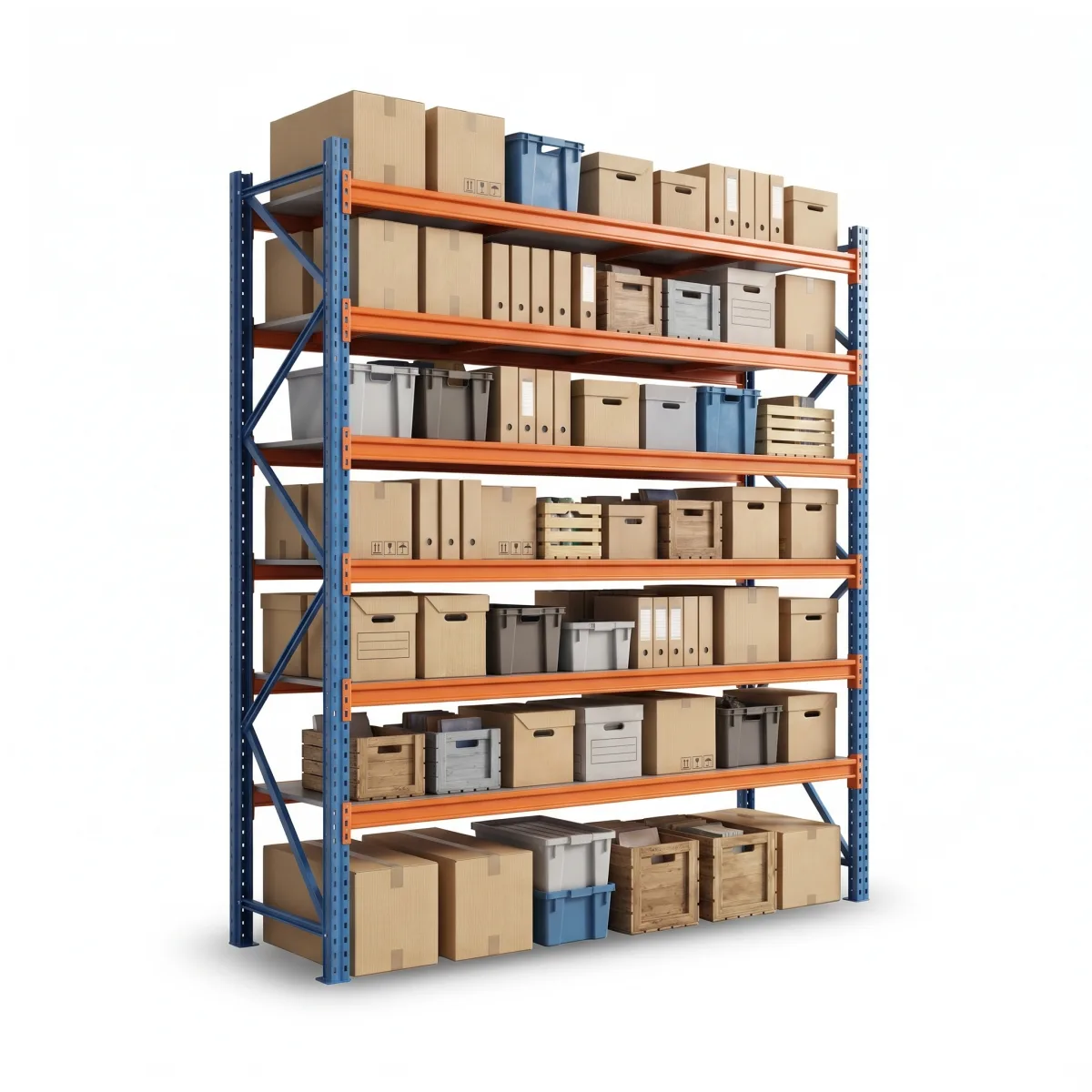
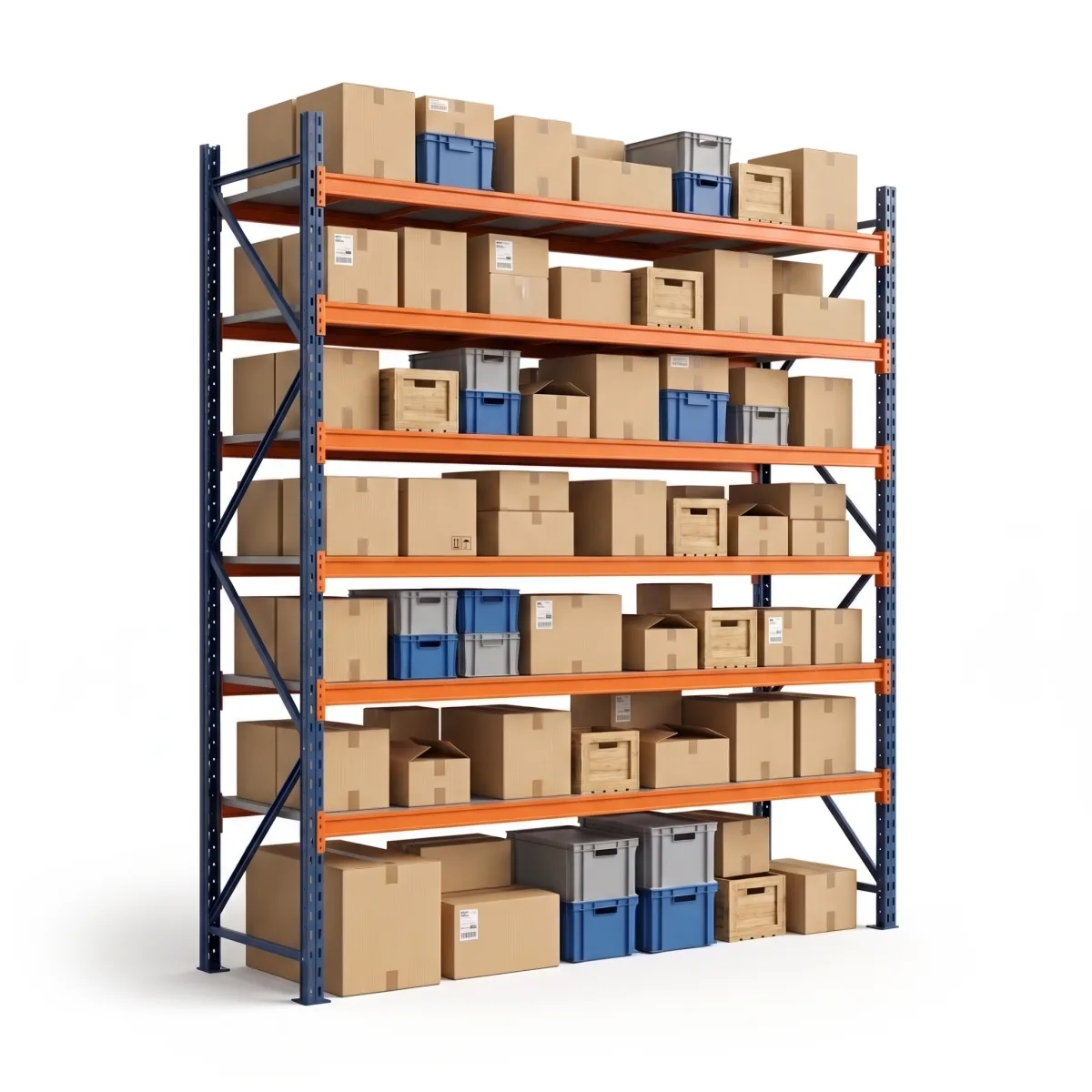
This range is specifically built for warehouses, workshops, and storerooms where heavy components like engines or chassis need neat organisation. Choosing reliable pallet racking delivers superior structural support compared to medium-duty metal shelving, keeping bulky inventory safe while clearing floor clutter.
Beyond holding heavy loads on each level, these models streamline stock control across your facility. Adjusting beam layouts within your pallet racking setup is quick and intuitive, allowing your business to optimise vertical space as operational demands change.
Installing pallet racking is the primary strategy for commercial stockrooms, logistics hubs, agricultural stores, and mechanical workshops across Ireland seeking to eliminate floor clutter. By expanding storage vertically rather than horizontally, this category turns underutilised overhead space into structured storage, solving capacity bottlenecks in busy distribution centres and local trade outlets alike.
This range serves to hold heavy merchandise, engine components, and standard palletised goods efficiently, allowing forklift operators immediate access to every unit. Integrating pallet racking into daily operations streamlines stock control and prevents product damage in demanding industrial environments, ensuring safety and order across busy Irish facilities.
Need help choosing the ideal model? Our technical team will advise you without obligation ·
info@rackspoint.com · Shipping throughout the European Union.
Pallet racking and industrial racks
At Racks Point, our range of industrial shelving is designed to maximize your business's storage. They are the perfect solution for companies that need to improve the organization and accessibility of their goods, adapting to your operations with robust systems that support 1,000 kg per level in the standard version and 1,500 kg in the reinforced version, ideal for heavy loads such as engines or chassis. With an upright frame depth of 100 cm, we guarantee maximum capacity and safety for your warehouse, answering questions about available depth measurements.
Choosing the right industrial shelving is crucial for your warehouse's efficiency. Our pallet racking solutions are designed to optimize storage and accessibility, adapting to your operations, whether for high product turnover or to maximize vertical space. Good organization of palletized loads improves personnel safety, reduces handling times, and facilitates inventory control.