Tyre Racks: Optimize Storage in Your Workshop
Efficient tire storage, known internationally as tyrerack systems, is a logistical challenge for both professional workshops and automotive enthusiasts storing spare sets in their garages. The key to optimal management isn't just stacking, but protecting the integrity of the rubber and facilitating quick access to each unit. At Racks Point, we understand that proper organization equates to productivity and safety.
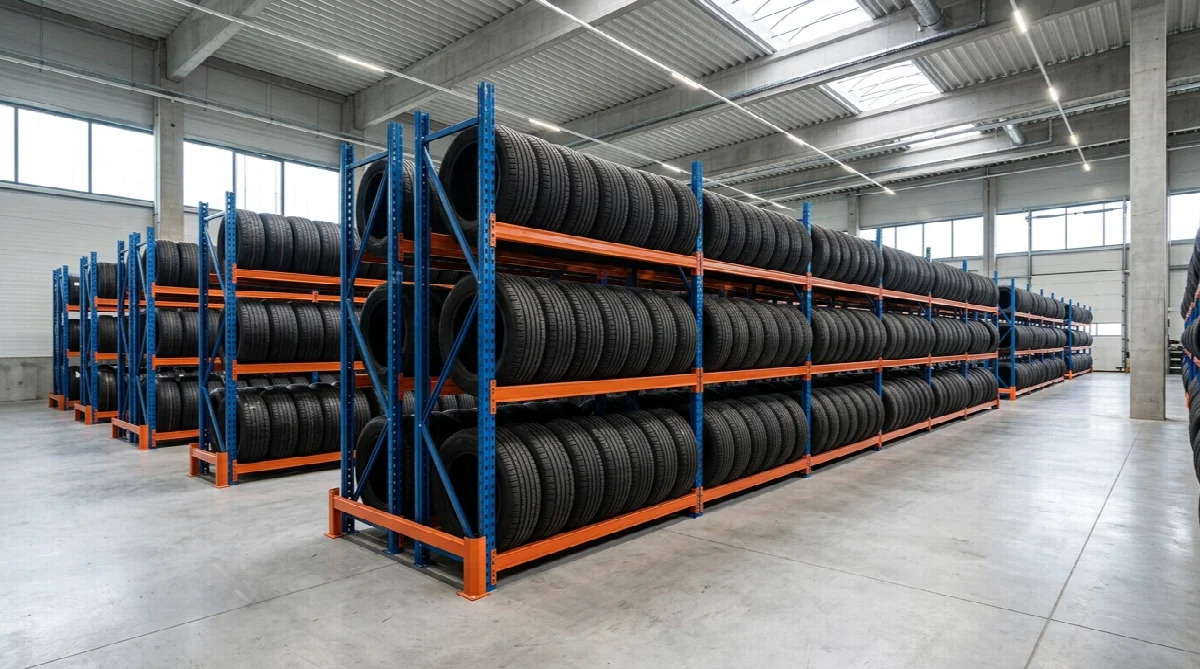
For those seeking a professional solution, our tire storage racks and shelving are specifically designed to support the circular shape of wheels, preventing deformation and optimizing vertical space. Unlike conventional shelving, these systems allow weight to be distributed correctly, extending the product's lifespan.
Why Use Specific Tire Shelving?
Many users make the mistake of storing tires on standard shelving. However, rubber is sensitive to prolonged pressure points. Using a structure designed for this purpose ensures the tread doesn't suffer structural damage. Furthermore, these racks allow for immediate visual classification, reducing search times in the workshop.
If your space is limited or you need mobility, you can combine these structures with mobile metal shelving with wheels to move stock according to daily needs. This is particularly useful in workshops with a constant vehicle flow where work areas need to be cleared in seconds.
Tips for Professional Tire Storage
- Vertical Position: Whenever possible, store tires vertically on rounded profiles to prevent the casing from deforming.
- Stock Rotation: Apply the FIFO (First-In, First-Out) method to prevent older tires from losing their properties.
- Environmental Control: Keep the storage area away from direct heat sources and chemicals that could degrade the rubber.
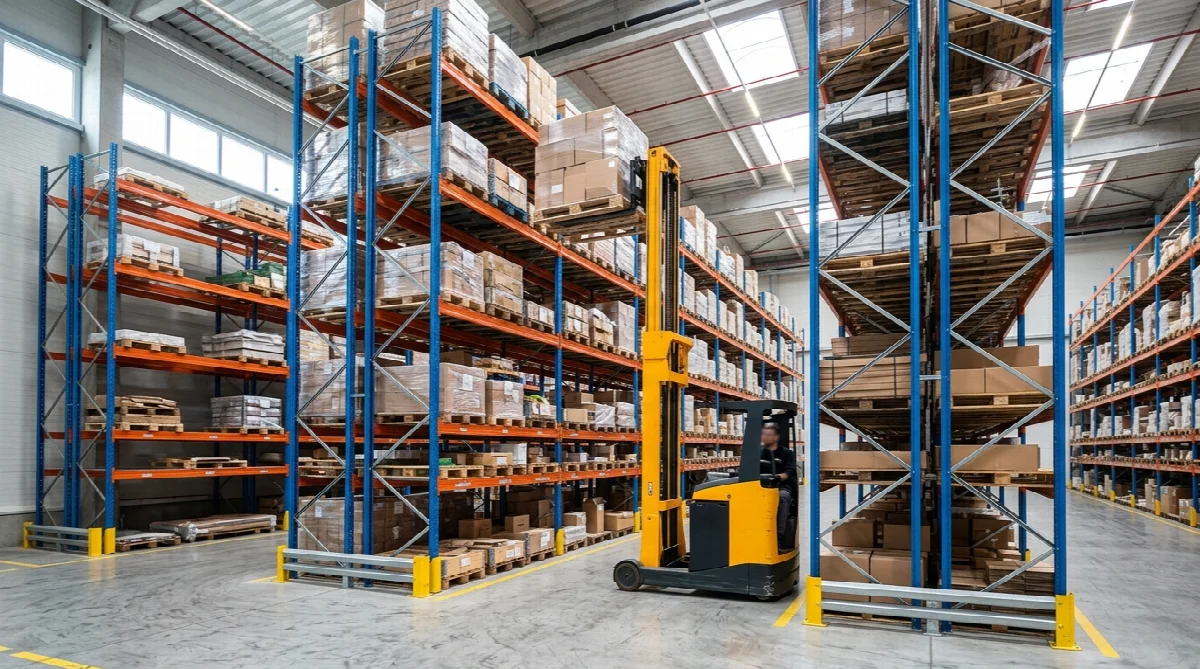
- Safety: Ensure the structure is correctly anchored to the floor or wall, following general work safety recommendations that you can consult in industry guides or the work equipment and occupational risk prevention regulations of each country. For Ireland, this includes guidance from the HSA and compliance with regulations such as S.I. No. 299/2007.
How to Maximize Space in a Small Workshop?
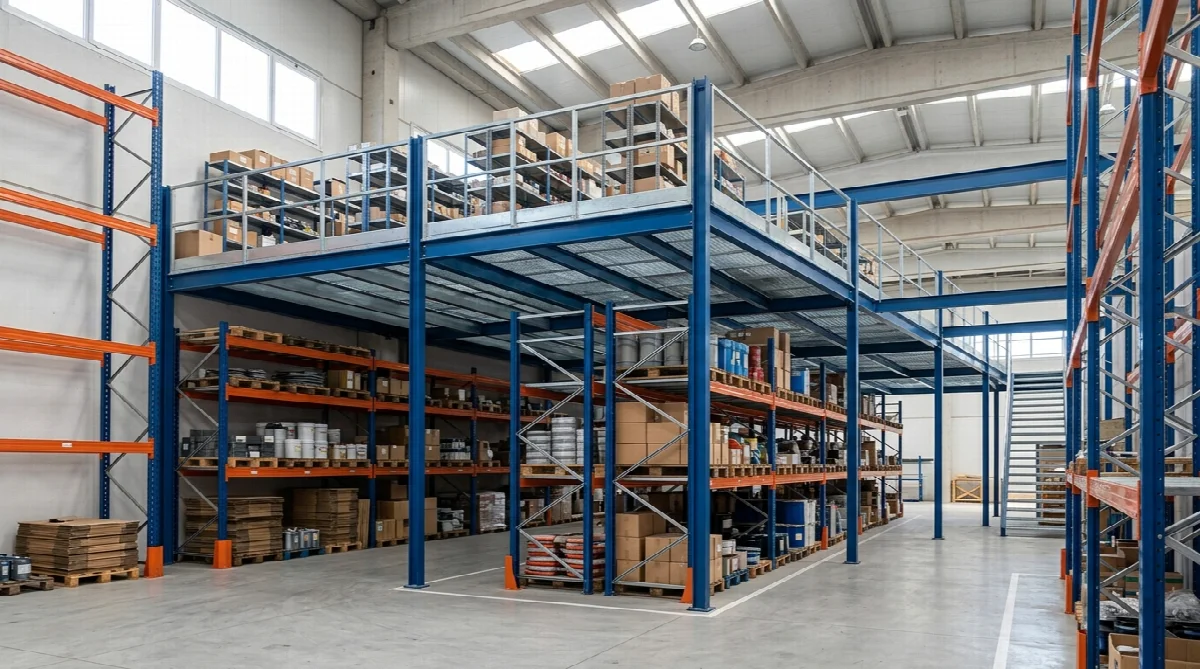
When space is at a premium, the key is height. If you have high ceilings, installing custom-made metal mezzanines and platforms can double your usable surface area, dedicating the ground floor to the assembly area and upper levels to storing off-season tires or low-turnover stock.
For those managing smaller volumes or requiring versatility, light-duty shelving for garages and storage rooms can be adapted with specific accessories for wheels, allowing for a modular configuration that grows with your business. Remember that, regardless of the chosen system, stability and steel quality are the factors that will make the difference between safe storage and an unnecessary risk to your employees or vehicles. In Ireland, manufacturers, importers, or suppliers must ensure that articles supplied for use at work are safe and provide adequate information for safe use, as outlined in the Safety, Health and Welfare at Work (General Application) Regulations, 2007 (S.I. No. 44 of 2007), specifically articles 8 and 16.