New ETV 4i Reach Truck: Optimization at Height
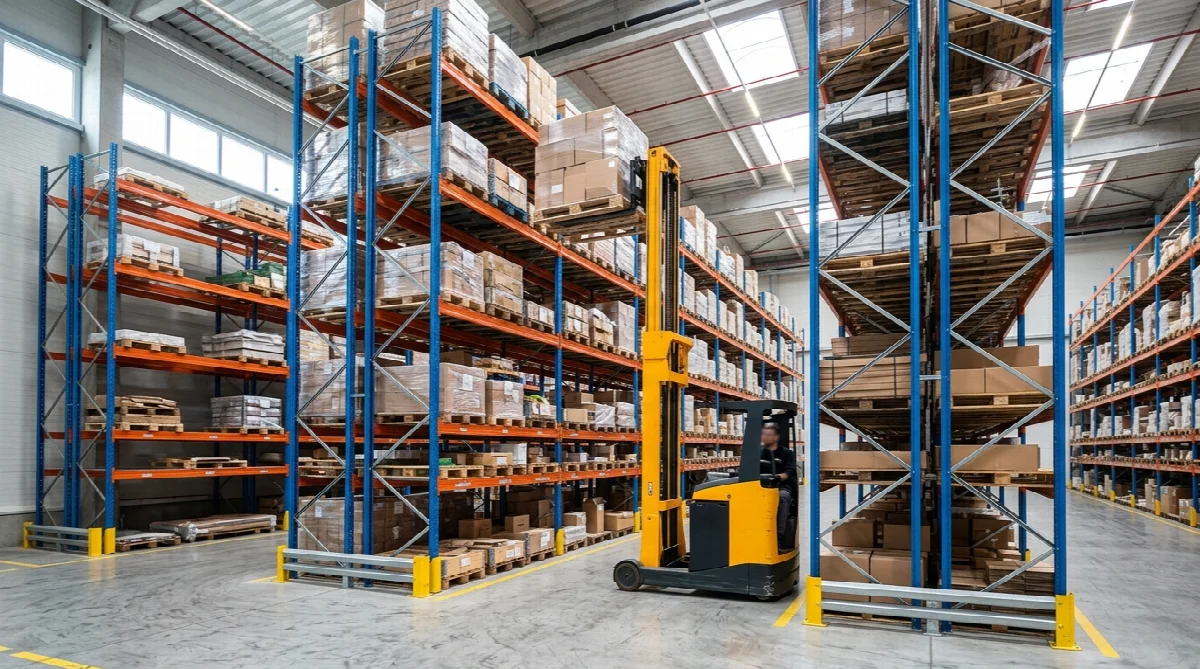
The recent arrival of the new ETV 4i reach truck marks a turning point for those managing warehouses with high demands for goods movement. This equipment has been specifically designed to operate in environments where height is the determining factor, allowing for more agile management in distribution centers and production plants operating on multiple shifts. At Racks Point, where we specialize in optimizing space through heavy-duty industrial racking, we know that the machinery is as important as the metal structure itself.
What does the arrival of the ETV 4i reach truck mean for your warehouse?
When we install high-level storage systems, the bottleneck is usually the machinery's cycle speed. The ETV 4i is not just a lifting tool; it's a component that redefines productivity. For a logistics manager, this means that the time invested in each pallet entry and exit maneuver is reduced, allowing for a constant flow even during the most demanding peak periods.
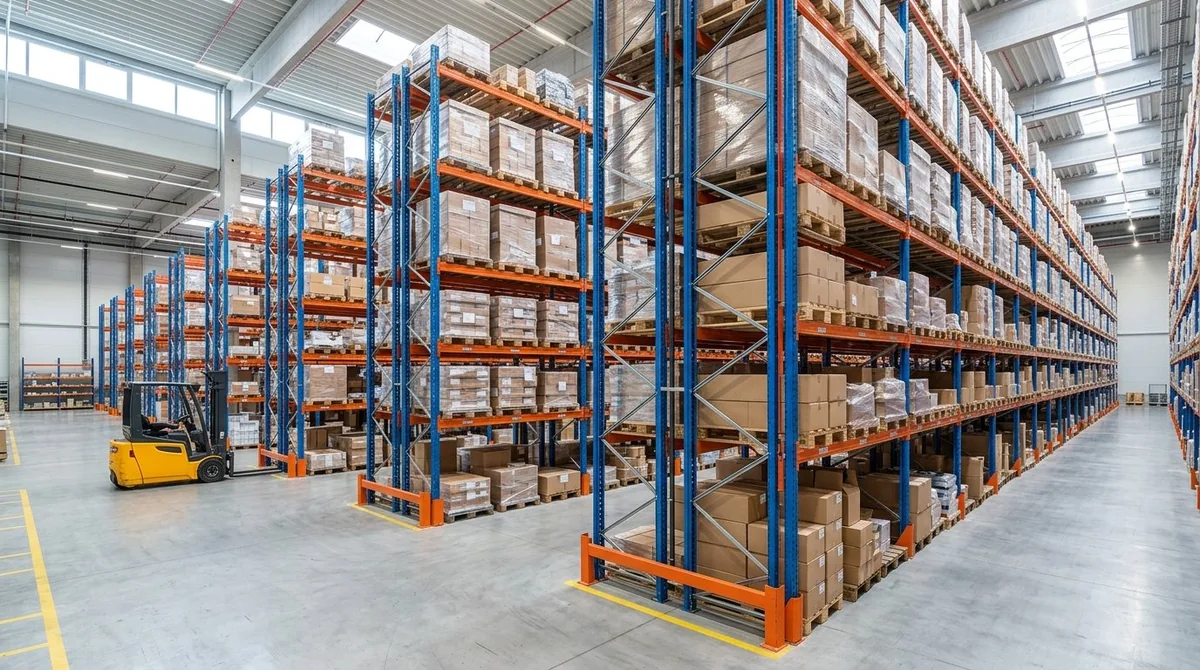
From an infrastructure perspective, this type of advanced machinery allows for narrower aisles and denser racking configurations. However, this comes with a responsibility: the precision in the assembly of the racks must be absolute. If your machinery is capable of operating at high speed and height, any deviation in the verticality of the uprights or the leveling of the floor becomes an operational risk.
Impact on Daily Operations and Safety
The integration of this new technology into your warehouse should not be viewed in isolation. If you are considering renewing your forklift fleet or expanding your storage capacity, consider the following key points:
- Aisle Compatibility: Ensure that the truck's turning radius is compatible with the aisle width designed for your racking.
- Structural Integrity: The use of high-performance machinery requires periodic inspections of the frames. If you detect impact damage, it is vital to replace the affected components to maintain safety.
- Workflow: The truck's efficiency is maximized when the warehouse is logically organized, facilitating access to high-turnover products.
For those who combine heavy storage areas with order picking zones, it is essential to balance the use of reach trucks with other auxiliary solutions. Often, operational success lies in combining large structures with service and tool carts with wheels that facilitate the movement of smaller materials or maintenance tools around the warehouse.
How to prepare your racking for high-performance machinery?
The question many clients ask us is: are my racks ready for faster and more efficient trucks? The short answer is that if your facilities comply with current regulations, you should not have problems, but maintenance is key. Warehouse safety is a continuous process, not a permanent state. If you are going to increase the frequency of operations, ensure that the upright protectors and pallet stops are in perfect condition to absorb any accidental impact.
Furthermore, if your warehouse requires more dynamic inventory management, you might consider installing custom-made metal mezzanines (industrial mezzanine floors) to separate manual picking areas from high-level storage zones. This allows the reach truck to work in its comfort zone, optimizing vertical space without interfering with personnel working on lower levels.
In summary, the ETV 4i is excellent news for the sector, as it pushes the entire supply chain to be more efficient. Remember that, regardless of the machinery you choose, the foundation of everything is a solid, well-calculated, and correctly installed structure. If you need advice on how to adapt your load capacities or improve the safety of your racks with the arrival of new equipment, our technical team is at your disposal.
Source: Cadena de Suministro, leading logistics and transport website