Warehouse Autonomy: The New Era of Robotics and AI
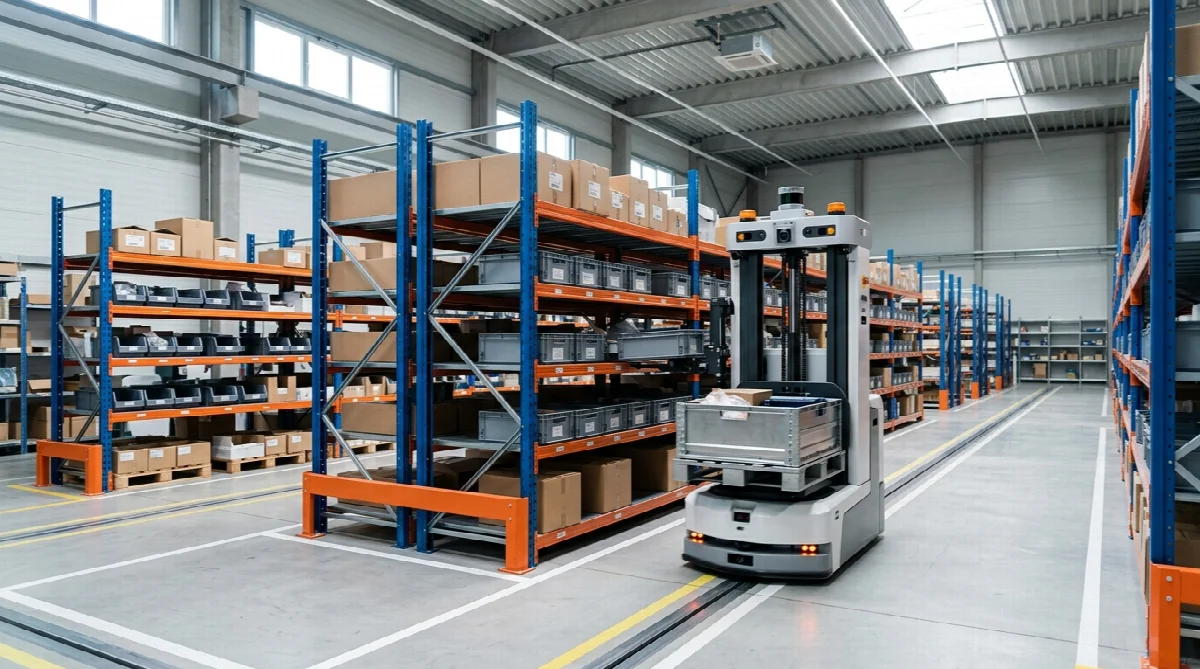
Warehouse autonomy has moved from a future vision to a tangible reality. The logistics sector has recently witnessed the unveiling of new robotics and artificial intelligence tools designed to optimize workflows, reduce human intervention in repetitive tasks, and maximize storage density. For any logistics manager, this signifies a paradigm shift: it's no longer just about stacking goods, but about making the warehouse "think" and move on its own.
How Does Warehouse Autonomy Affect My Daily Operations?
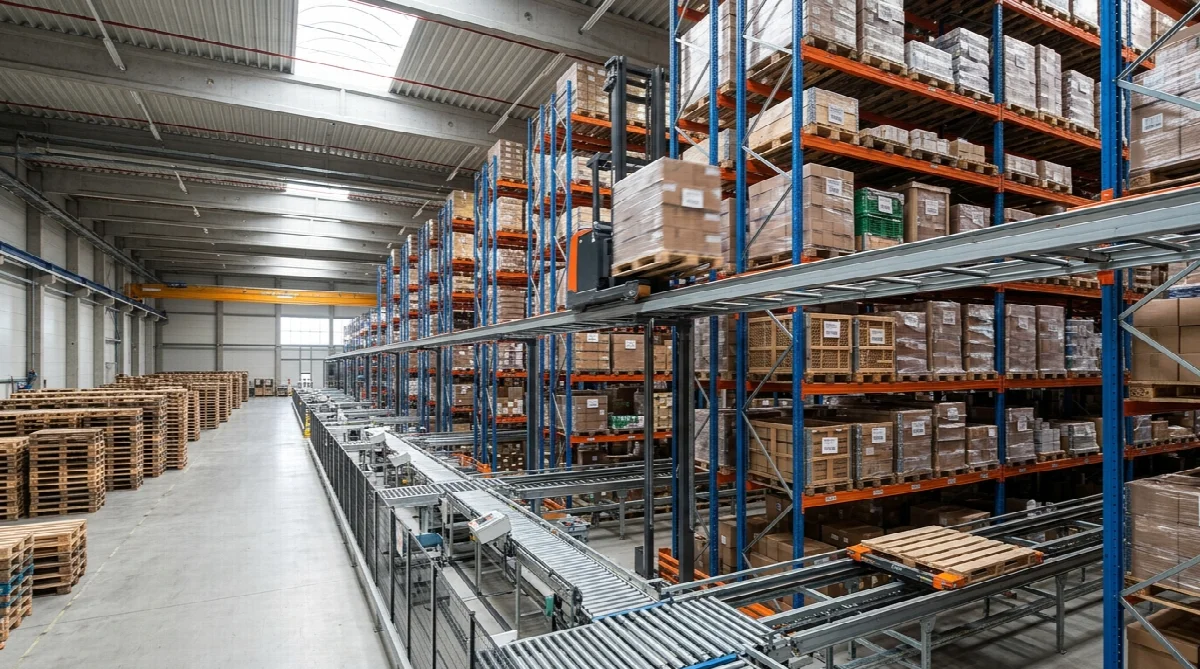
The integration of intelligent systems primarily aims for efficiency. When we talk about automating processes, the main objective is to free up personnel from low-value-added tasks, such as constant movement through aisles. However, this does not mean that traditional metal shelving will disappear; on the contrary, the underlying structure must be more robust and precise than ever for robots to operate without errors.
If you are planning to upgrade your facilities, consider these practical implications:
- Vertical Space Optimization: AI allows for inventory management with millimeter precision, facilitating the use of custom-made metal mezzanines (industrial mezzanine) to leverage every square meter.
- Error Reduction: By delegating order picking to automated systems, the risk of load confusion is drastically reduced.
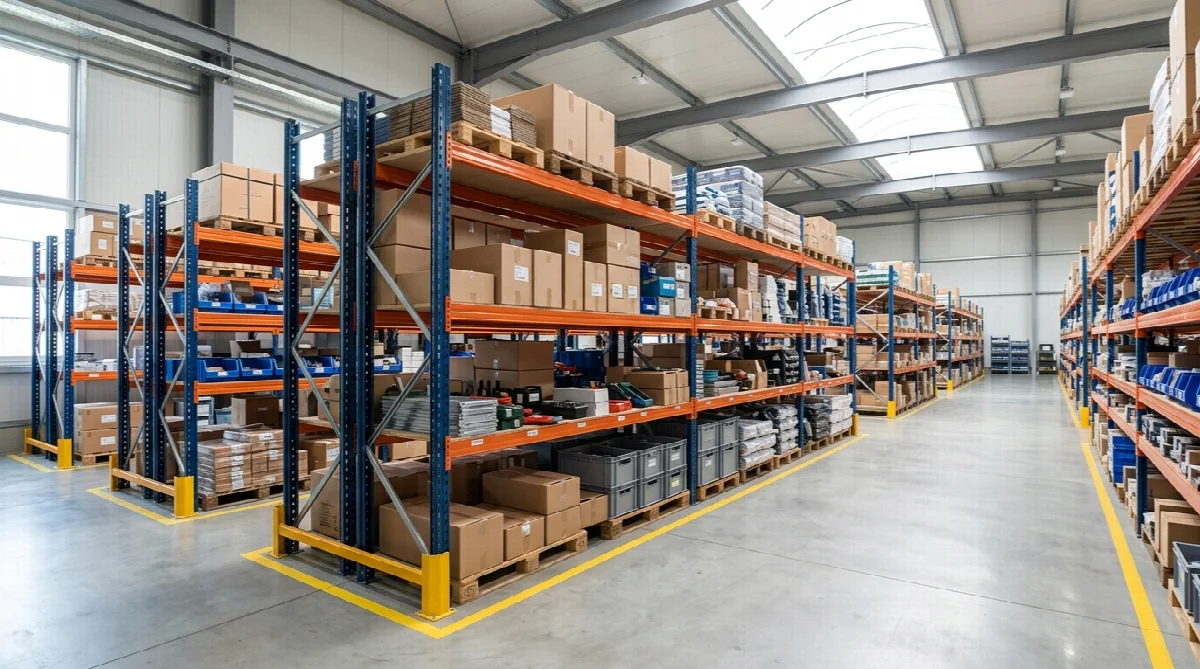
- Operational Flexibility: New robotics systems require perfectly organized picking zones, often relying on medium-duty metal shelving that allows for quick and ergonomic replenishment.
The key to success lies not only in acquiring the most advanced robot but also in ensuring that the physical infrastructure—the shelving and support systems—is capable of handling this new pace of work. An autonomous warehouse is one where order is non-negotiable.
Should I Automate My Warehouse if I'm an SME?
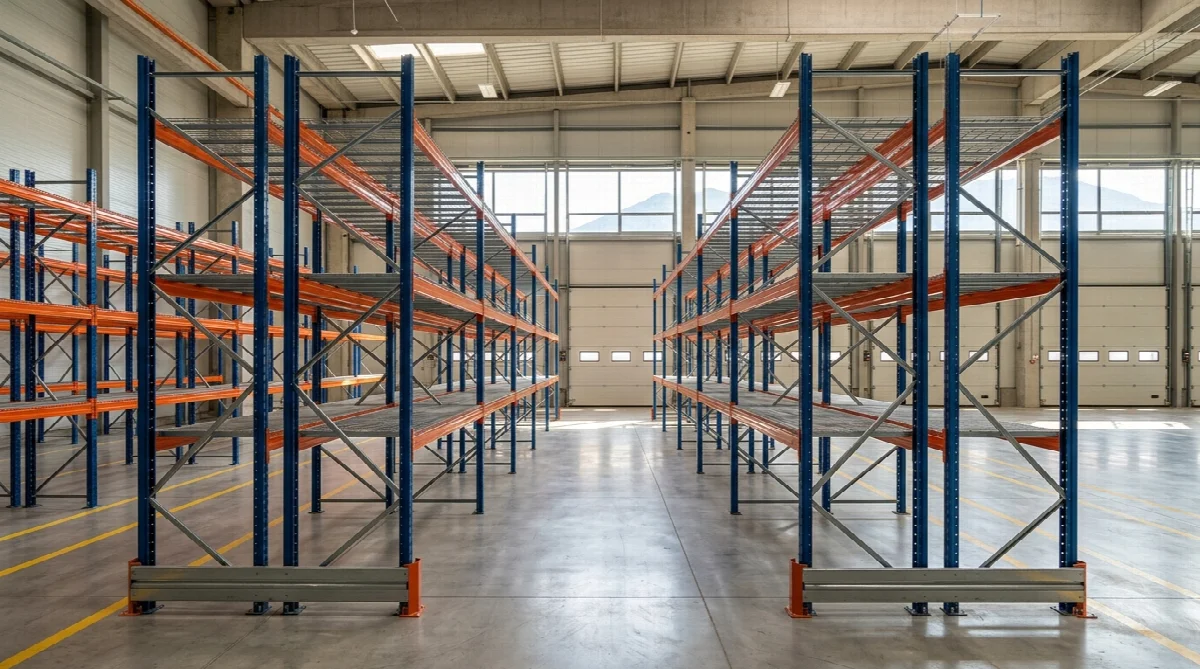
This is the million-dollar question. The short answer is: it depends on your turnover volume. Not everyone needs a complex robotic system, but everyone needs to optimize their processes. Often, improvement begins with proper zoning and the use of appropriate storage solutions, such as our pallet and heavy-duty shelving (manual load, no forklift), which enable efficient manual management before making the leap to full automation.
Artificial intelligence applied to logistics helps predict which products should be closest to the dispatch areas. This means that, even in manual warehouses, you can apply AI criteria to organize your shelving. If your warehouse is small or medium-sized, prioritize versatility: use systems that can be reconfigured according to demand, always maintaining safety and order as fundamental pillars.
Remember that, regardless of the technology level, workplace safety remains the priority. You can consult industry guides and the relevant work equipment and occupational risk prevention regulations for your country to ensure that any modification to your warehouse complies with standards.
The transition towards greater autonomy is a gradual journey. Start by optimizing your current space, secure your structures, and when volume justifies it, integrate technological solutions that transform your warehouse into a high-performance center.
Source: Cadena de Suministro, leading website for logistics and transportation.