Metal Shelving Units: The Definitive Guide to Choosing the Best Option
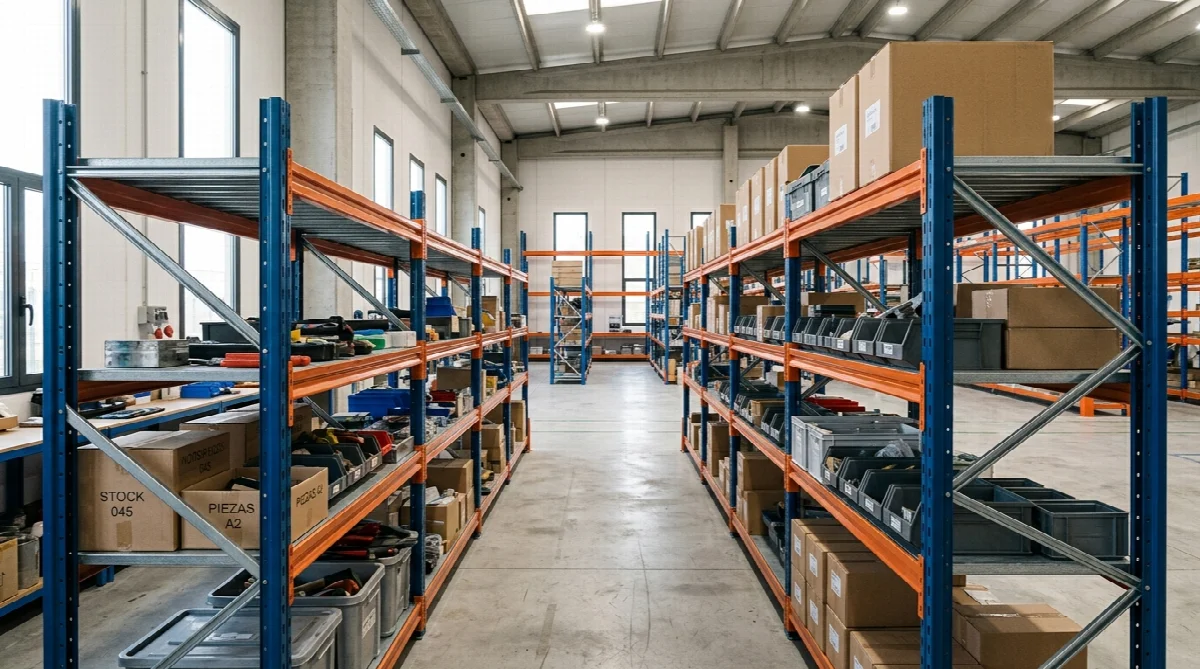
Metal shelving units are the backbone of any well-organized warehouse, garage, or storage room. It's not just about placing items on a surface, but about creating an efficient system that maximizes available space and guarantees the safety of what you store. Choosing the right model depends on a combination of technical factors, such as the weight of the load, frequency of use, and the environment where they will be installed.
In today's market, the variety is immense, from domestic solutions to complex systems for industrial logistics. Understanding the differences between a light-duty shelving unit and a pallet racking structure is the first step to avoiding long-term stability issues and deformations.
What Types of Metal Shelving Units Exist Based on Use?
The primary classification is determined by the weight they must support and the type of goods. If you're looking to equip a domestic space, garage and storage shelving are the most versatile option, combining ease of assembly with great strength for boxes, tools, or sports equipment. For more specific needs, there are variants such as metal mesh shelving, ideal if you need greater ventilation or visibility of stored products.
In the professional realm, the choice becomes more technical:
- Light Duty: Perfect for files, small boxes, or spare parts. Check out our light-duty garage and storage shelving.
- Medium Duty: Designed for larger items that don't require heavy machinery. You can view models in our medium-duty metal shelving.
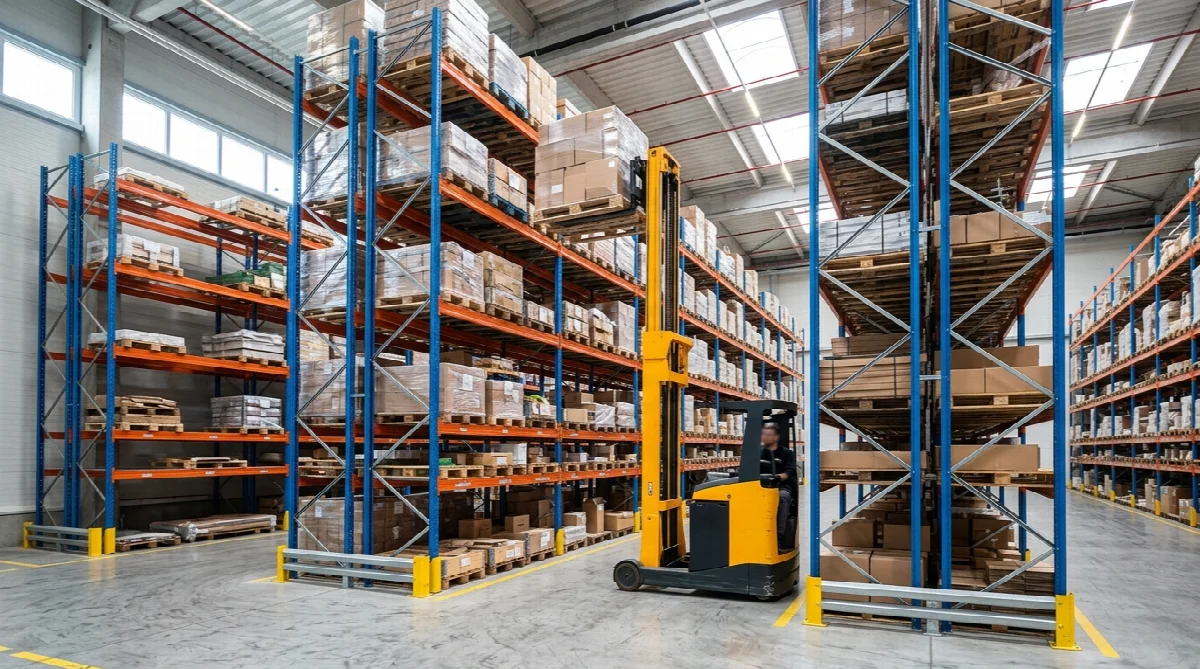
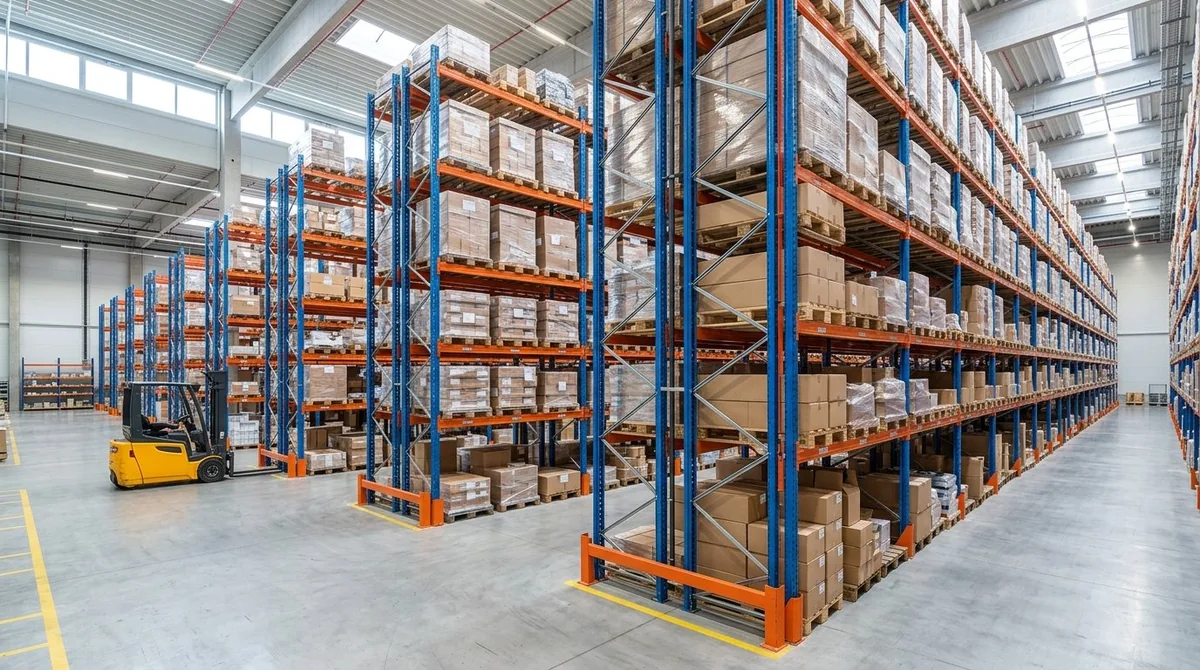
- Heavy Duty: Robust structures for pallets or heavy tonnage goods. Explore our heavy-duty industrial shelving.
How to Calculate Load Capacity and Ensure Safety?
One of the most common mistakes is underestimating the total weight of objects. Each shelf has a maximum load limit distributed evenly; if you concentrate all the weight on a single point, the structure can fail. Safety is non-negotiable: always ensure the shelving unit is level and, if necessary, anchored to the wall or floor to prevent accidental tipping.
If your operation requires mobility, do not try to adapt a fixed shelving unit. It is preferable to opt for mobile metal shelving units with wheels, which allow you to reconfigure space effortlessly. Likewise, if you work in a workshop environment, service carts and tool carts on wheels are the perfect complement for safely moving loads.
For large-scale installations, remember that there are solutions to double your usable floor space through custom-made metal mezzanines. If your warehouse is starting to feel small, this is the most cost-effective way to gain square meters without moving premises.
Finally, don't forget maintenance. Periodic inspection of pallet racking accessories and spare parts is vital to prevent accidents. Keeping the uprights and beams in good condition, free from dents or deformations, ensures that your storage system continues to function reliably for years. If you need to store specific items, such as vehicle tires, always use specialized systems like tire racks and shelving, designed specifically to protect the integrity of the rubber.